ES
ES  EN
EN 
SECRET LAGOON IN ICELAND
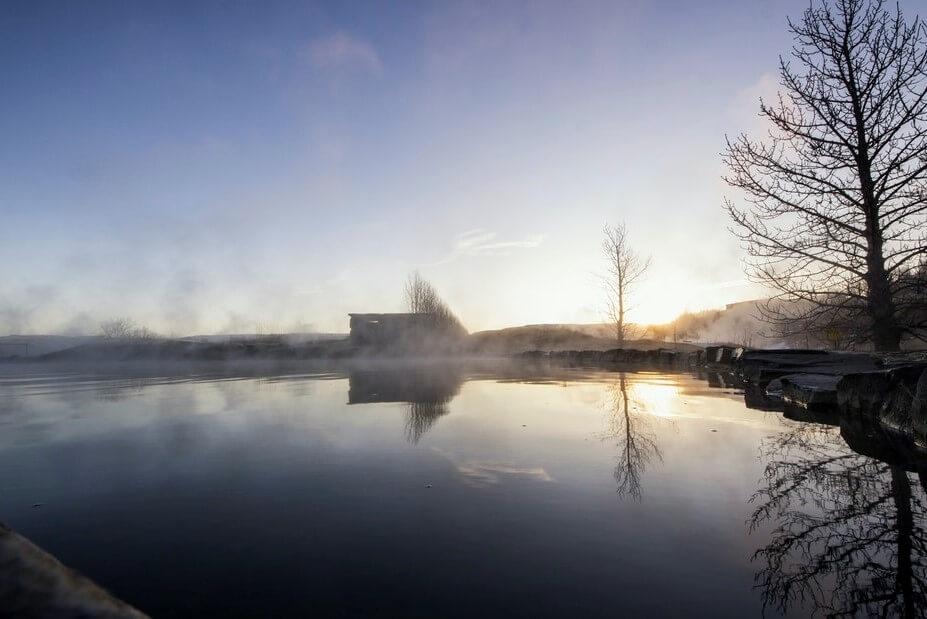
Discover the hidden geothermal lagoon in the famous Golden Circle route in Iceland
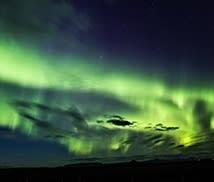
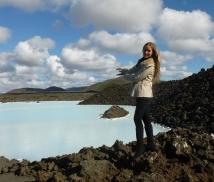
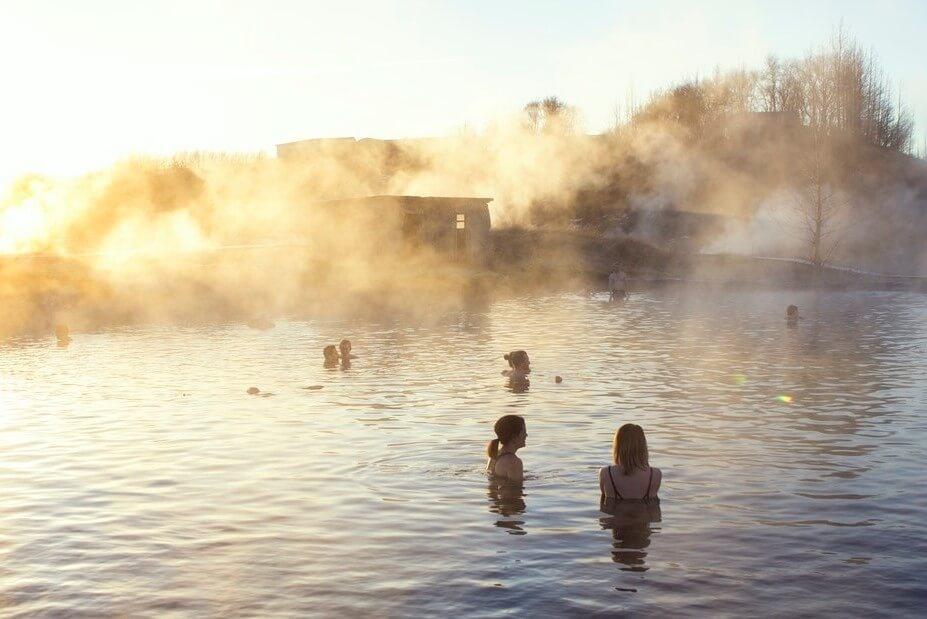
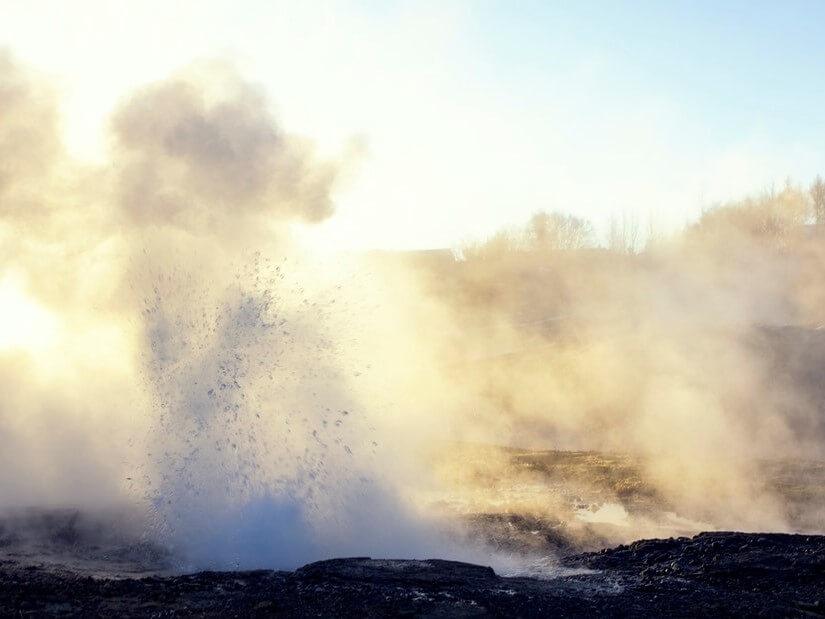
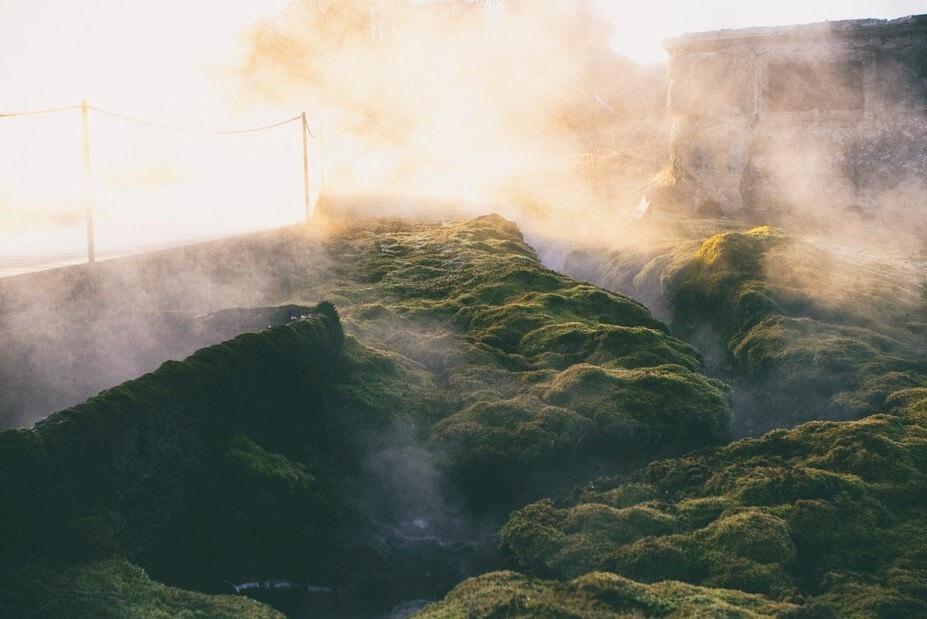
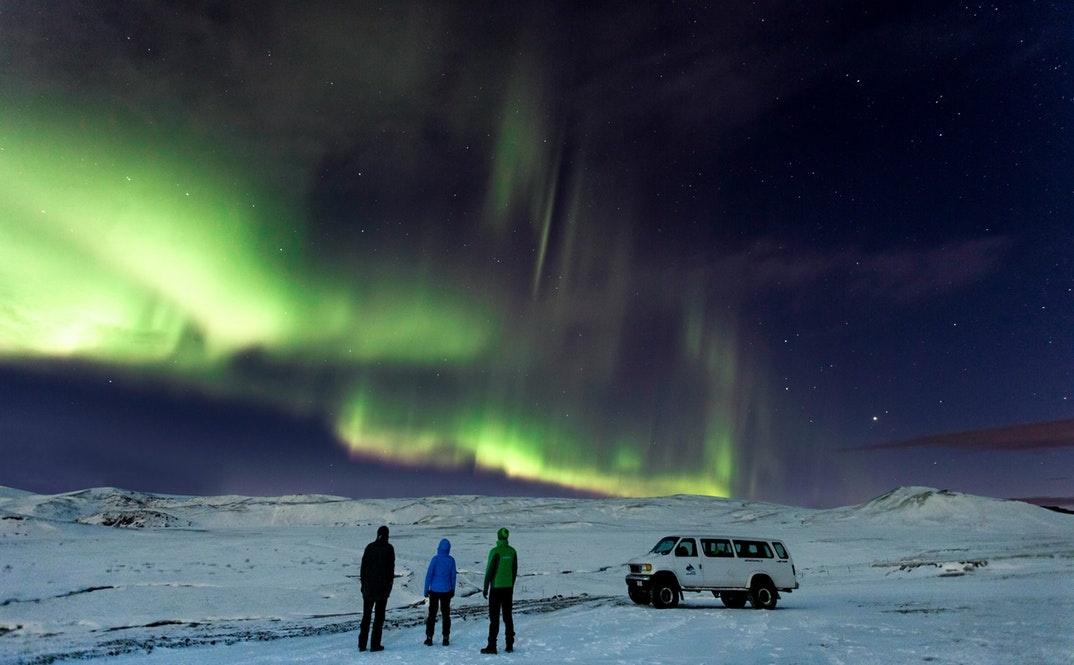
The natural hot geothermal waters of the Secret Lagoon are the perfect complement to your tour of the Golden Circle of Iceland. The Secret Lagoon is located in a small town called Fludir, about half an hour drive from the famous Gullfoss waterfall and the Geysir geothermal area. At really cheap prices you can enjoy a fabulous thermal bath in the middle of nature and live a purely Icelandic experience. The natural environment of the pool and the steam that rises in the air creates a magical feeling. The warm water is kept at 38-40 degrees all year round. In the area there are several geothermal points and a small geyser that erupts every 5 minutes. During winter, this area is an excellent starting point to see the Northern Lights at night.
RESERVE YOUR SECRET LAGOON ENTRANCE TICKETS:
LAVA TUNNEL TOUR IN ICELAND DETAILS
-
Schedule Secret Lagoon: Every day from 11:30 a.m. to 8:00 p.m. (The last time available to reserve a ticket is 6:00 p.m.).
Minimum age: There is no age limit, children from 0 to 14 years old have free entry (accompanied by an adult).
Entrance ticket includes: Access and bath in the geothermal natural pool, (also known as the oldest pool in Iceland), local VAT.
Extra services: There is the option of renting a towel (700 ISK) and a bathing suit (700 ISK). Sandwiches and drinks are also sold on spot.
Bookings: It is necessary to reserve the tickets in advance to have access to the pool on the day and time of your choice. Due to high demand, the entrance at the Secret Lagoon cannot be guaranteed without prior reservation.
Address: Hvammsvegur, 845 Flúðir, Iceland. The Secret Lagoon is an hour and a half drive from Reykjavík.
MORE INFORMATION ABOUT THE SECRET LAGOON
The geothermal area near Flúdir is where the Secret Lagoon of Hverahólmi was created back in 1891. That's the reason why the Secret Lagoon is known as the oldest pool in Iceland. The actual new geothermal pool in Fludir dates back to 1947. The tradition of taking a bath in hot springs is part of Icelandic culture and is very much a part of everyday life for Icelanders. The Secret Lagoon offers indoor changing rooms with lockers and indoor showers and is segregated for men and women. There is also soap available and hair dryers. Cakes, sandwiches and drinks can be purchased at the Laguna Secreta café. If you forget your towel and swimsuit, don't worry, you can rent them at the Scret Lagoon.
The Golden Circle of Iceland, where the Secret Lagoon is located, is one of the most popular routes in Iceland. Three of Iceland's best-known natural monuments are part of it and can be covered in just a few hours from Reykjavík. For many people it is the first incursion into the incredible nature of Iceland. These three natural monuments of the Golden Circle are the Thingvellir National Park, a place that not only has incredible natural landscapes but also great historical and geological importance (here the tectonic plates are divided between Europe and North America); the impressive golden waterfall of Gullfoss, one of the most beautiful in Iceland; and the geothermal area where the famous Geysir and Strokkur geysers are located. To complete the tour of the Golden Circle, nothing better than a fabulous thermal bath in the natural geothermal waters of the Secret Lagoon. 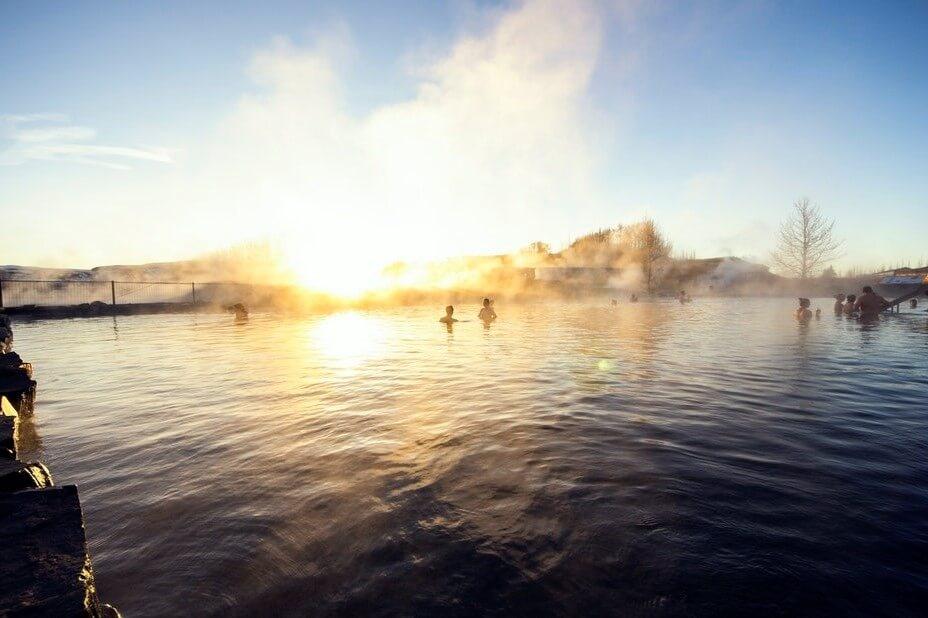
Responsibility: All experiences and tours operated by ISLANDICA s.r.o. take place in natural environments and involve activities that participants join at their own responsibility. While every effort is made to ensure safety and enjoyment, ISLANDICA s.r.o. cannot be held liable for any incidents, injuries, or damages that may occur during the activity or as a result of individual actions.. Code: SL. ID898.
SECRET LAGOON IN ICELAND
WHAT I NEED TO TRAVEL TO ICELAND
~ Documents, Weather, and Packing ~
Planning a trip to Iceland? Here's a comprehensive guide to help you prepare for your journey, covering essential documents, weather expectations, and packing tips.
Travel Documents & Entry Requirements
Visa Requirements: Iceland is part of the Schengen Area. Citizens from many countries can enter visa-free for short stays (up to 90 days). However, starting October 12, 2025, travelers from visa-exempt countries, including the U.S., Australia, and the UK, will need to register in the new European Entry/Exit System (EES). This system requires biometric data (fingerprints and facial scans) and will track entries and exits across the Schengen Area.
Supporting Documents: If you're required to apply for a visa, you'll need:
- A completed visa application form
- Valid passport
- Two recent passport-sized photos
- Travel itinerary or accommodation booking
- Travel insurance
- Proof of sufficient financial means
- Visa fee payment
Weather & Best Time to Visit
- Summer (June to August): Milder temperatures, long daylight hours, and access to highland areas. Ideal for sightseeing and outdoor activities.
- Winter (November to February): Short days and cold temperatures, but the best time to witness the Northern Lights.
- Shoulder Seasons (May and September): Fewer tourists, lower prices, and a chance to experience both seasons.
Packing Essentials
- Waterproof and windproof outer layers
- Insulating mid-layers (fleece or down)
- Thermal base layers
- Water-resistant hiking boots
- Warm gloves, hat, and scarf
- Swimwear for hot spring
- Daypack for excursions
- Reusable water bottle (tap water is safe to drink)
- Power adapter (Iceland uses the European standard plug)
- Useful Addresses, Phone Numbers and Links: EMBASSIES OF ICELAND around the world: http://www.iceland.is/iceland-abroad/embassies
VISA INFORMATION: http://www.utl.is/index.php/en/visas - TOURISM OFFICE IN ICELAND: The main tourist office in Reykjavík is located in the center. The address is: Aðalstræti 2101 Reykjavík - Tel: (+354) 590 15 50 Fax: (+354) 590 1551 E-mail:
This email address is being protected from spambots. You need JavaScript enabled to view it.
MINISTRY OF AGRICULTURE : LandbúnaðarráðuneytiðMinistry of Agriculture - Solvholsgata 7150 Reykjavík Iceland - Tel: (+354) 545 9750 Fax: (+354) 552 1160 - E-mail:This email address is being protected from spambots. You need JavaScript enabled to view it. Website: www.landbunadarraduneyti.is
Utanríkisráðuneytið - MINISTRY OF FOREIGN AFFAIRS: Raudararstígur 25150 ReykjavíkIslandia - Tel: (+354) 545 9900 Fax: (+354) 562 2373 - E-mail:This email address is being protected from spambots. You need JavaScript enabled to view it. Página web: http://www.mfa.is
Customs Regulations
- Food: Up to 10 kg, excluding meat and dairy products from outside the European Economic Area.
- Alcohol: 1 liter of spirits, 0.75 liters of wine, and 3 liters of beer; or 3 liters of wine and 6 liters of beer; or 1 liter of spirits and 6 liters of beer.
- Tobacco: 200 cigarettes or 250 grams of other tobacco products.
- Uncooked meat and dairy products from outside the European Economic Area.
- Certain foodstuffs like meat products unless they have been boiled or canned.
Health & Safety
-
Tap Water: Iceland's tap water is among the purest in the world, sourced from glaciers and groundwater. It's safe to drink directly from the tap.
-
Healthcare: Iceland boasts a modern healthcare system. EU/EEA citizens can use their European Health Insurance Card (EHIC) for necessary medical treatment.
-
Safety: Iceland is one of the safest countries globally, with low crime rates and well-maintained infrastructure.
Important Note: These data are only informative. ICELAND s.r.o. (www.viajesislandia.com) is not responsible for the validity and updates of the information offered and translated. These data are published for informational purposes only and we cannot be responsible for their validity at all times. For current and official information on valid visas for Iceland, clients should contact direct official bodies in Iceland or in their country of origin. ICELAND s.r.o. cannot help you with these issues. This information was updated on 09.09.2025. ID-809
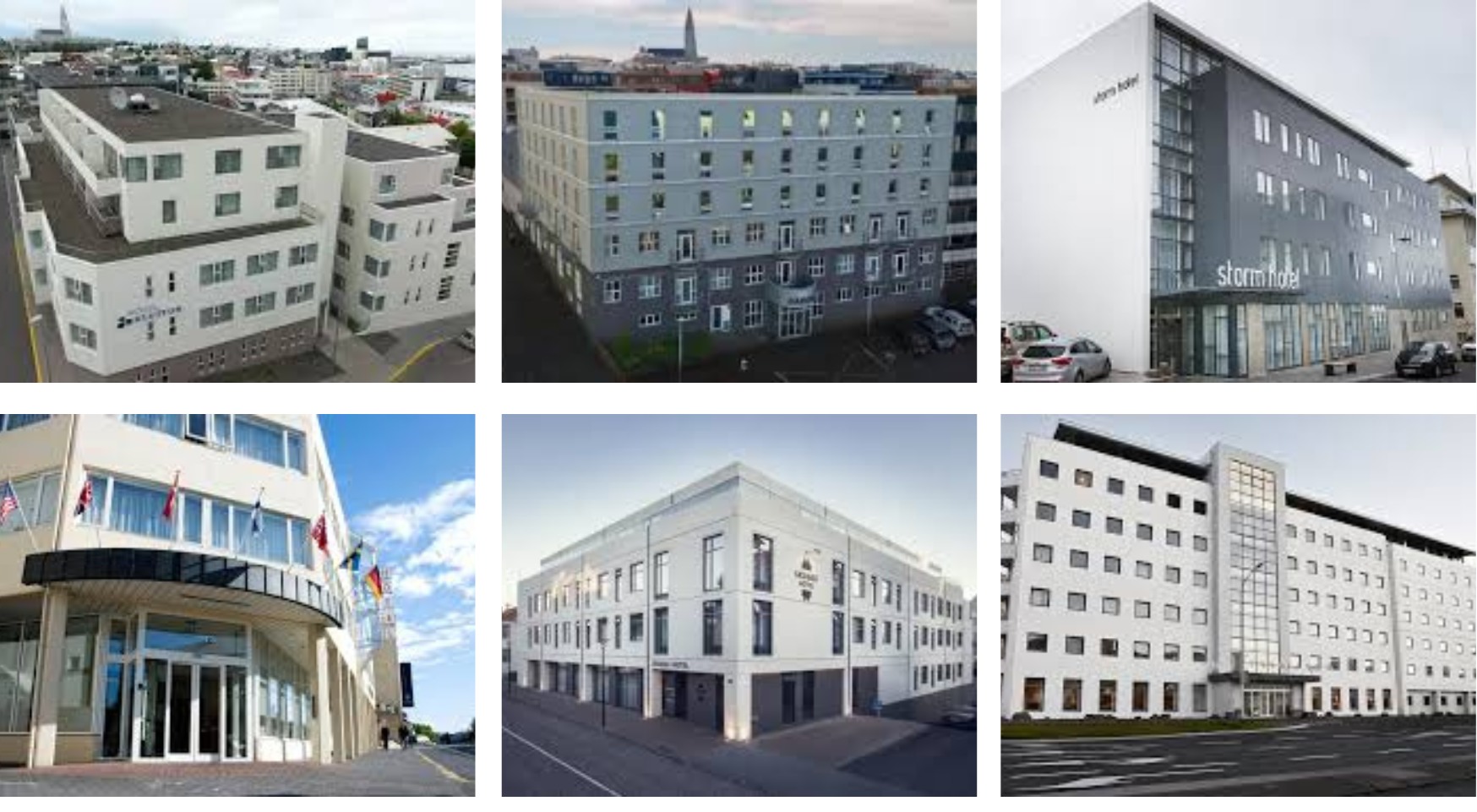
WHERE TO STAY IN REYKJAVÍK
Best Hotels in Iceland’s Capital
Reykjavík, the capital of Iceland, offers some of the best places to stay in the country. From luxury 5-star hotels with world-class service to affordable 3-star options, there is something for every traveler. Whether you’re looking for the best hotels in Reykjavík, a boutique design stay, or a family-friendly guesthouse, you’ll find comfort, quality breakfasts, and some of the most comfortable beds in Iceland. Staying in Reykjavík also gives you easy access to restaurants, museums, nightlife, and day trips to the Golden Circle or the Blue Lagoon.
Top 20 Best Hotels in Reykjavík (2025 Guide)
5-Star Hotels in Reykjavík
-
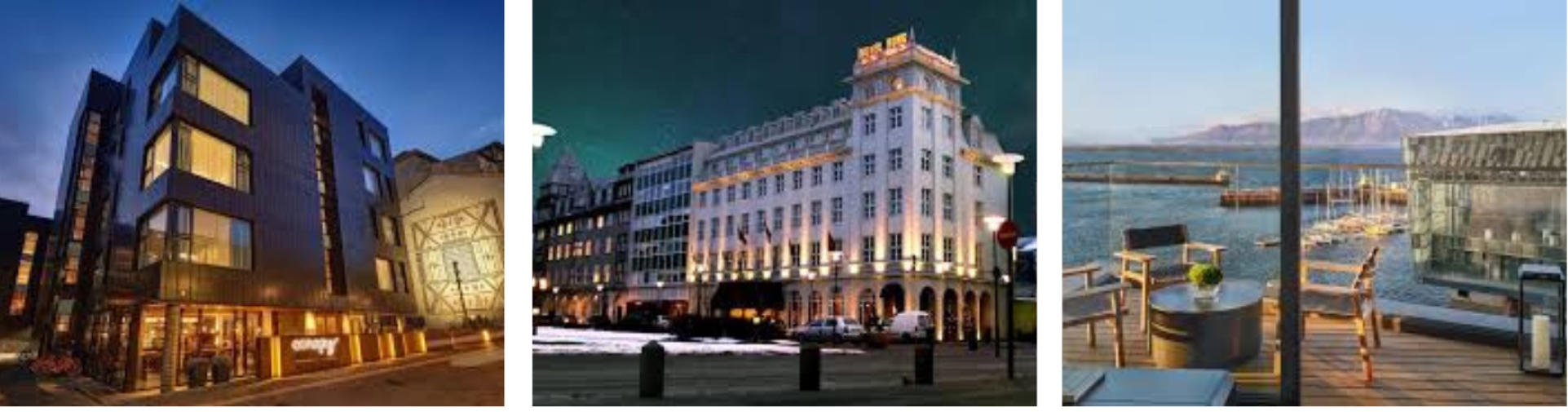
The Reykjavik EDITION – Stylish design, modern spa, and outstanding breakfast.
-
Hotel Borg by Keahotels – Classic elegance in the city center, famous for its comfortable beds.
-
Canopy by Hilton Reykjavik City Centre – Contemporary style, superb breakfast with local products.
-
ION City Hotel – Stylish, quiet, top service, and fresh breakfast daily.
4-Star Hotels in Reykjavík
-
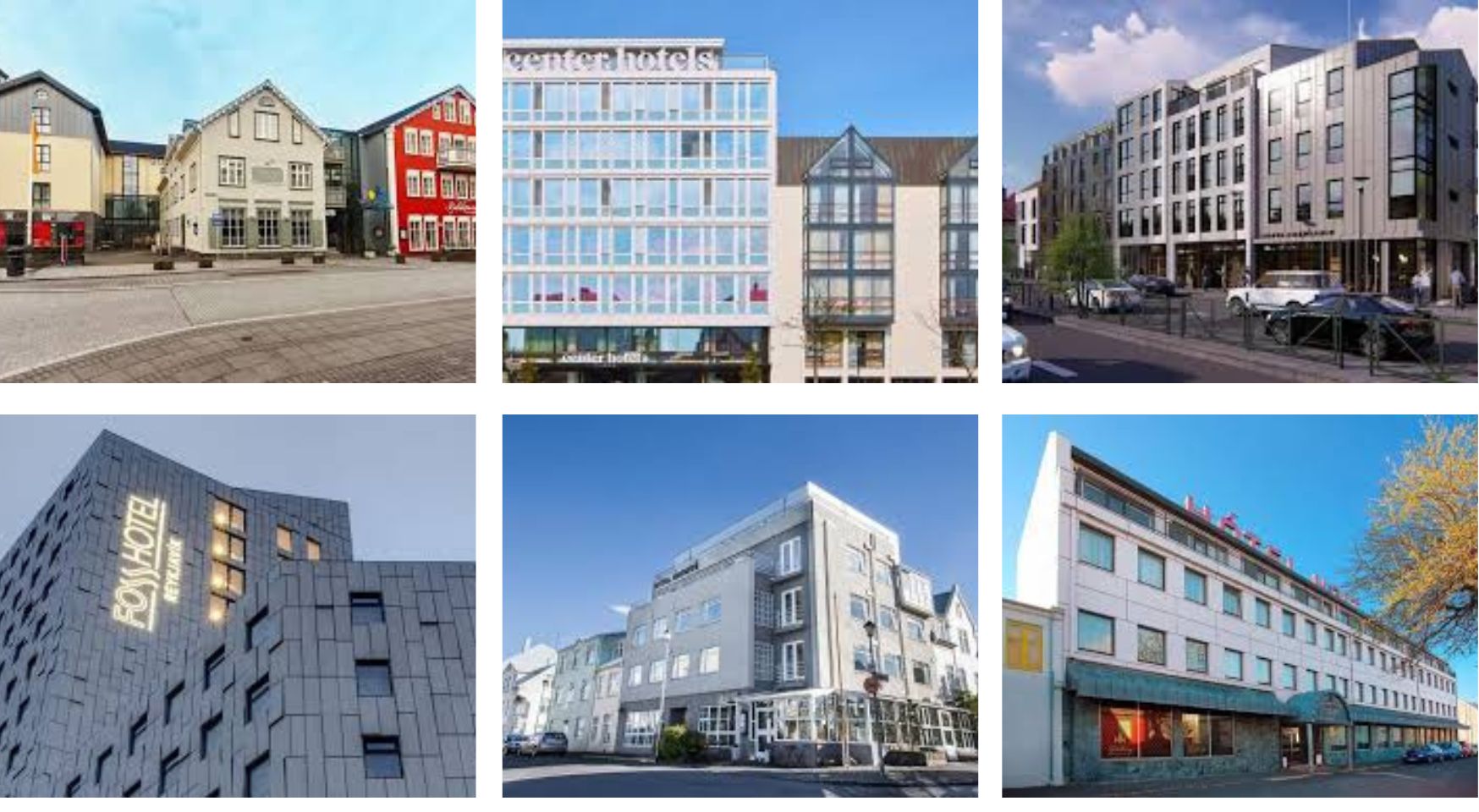
Center Hotels Plaza – Central location, very good breakfast buffet.
-
Hotel Reykjavik Centrum – Historical building with modern comfort.
-
Fosshotel Reykjavik – Large, modern, and excellent breakfast options.
-
Hotel Odinsvé – Boutique style, cozy rooms with premium bedding.
-
Hotel Holt – Elegant stay with art collections and high-quality comfort.
-
Hotel Reykjavik Saga – Spacious rooms, comfortable beds, and good breakfast.
3-Star Hotels in Reykjavík
-
Hotel Klettur – Comfortable beds, generous breakfast, good location.
-
Fosshotel Baron – Central, simple but with a solid breakfast buffet.
-
Hotel Raudara – Cozy rooms, friendly service, and decent breakfast.
-
Storm Hotel by Keahotels – Modern design, comfortable bedding.
-
Skuggi Hotel by Keahotels – Known for its comfort and quality breakfast.
-
Hotel Cabin – Budget-friendly, basic rooms with acceptable breakfast.
-
22 Hill Hotel – Practical option with comfortable beds and decent breakfast.
-
Hotel Frón – Central location, good value, and clean rooms.
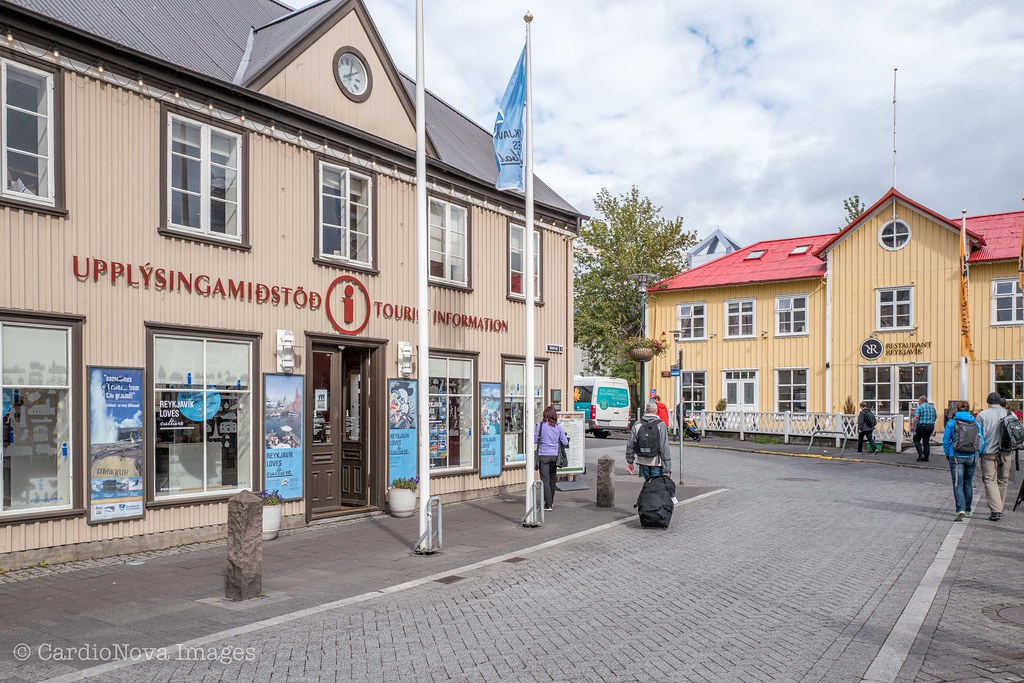
- Tourist Information Center: Located in the city center, perfect for maps, tips, and bookings. Aðalstræti 2, 101 Reykjavík Tel: (+354) 590 1550
This email address is being protected from spambots. You need JavaScript enabled to view it.
Bus & Airport Transfers: Reykjavík has no metro, but the city is well-connected by buses. Airport shuttles (Flybus, Airport Direct) run frequently between Keflavík Airport and most hotels/guesthouses in the city.
Emergency Number: In Iceland the emergency number is 112 (police, ambulance, fire).
Wi-Fi & Connectivity: Most hotels and cafés in Reykjavík offer free Wi-Fi. The city also has public Wi-Fi spots in main squares and streets..
Interesting Tip: Many hotels offer hearty breakfast buffets with Icelandic specialties like skyr, smoked fish, or fresh rye bread. Beds in higher-category hotels are known for their comfort and high-quality linens.
Why Stay in Reykjavík?
-
Convenience: most hotels are close to attractions, cafes, and nightlife.
-
Comfort: travelers consistently mention comfortable beds.
-
Breakfast quality: from gourmet buffets to homemade spreads, breakfast in Reykjavik hotels is excellent.
-
Variety: luxury, boutique, and budget options all available.
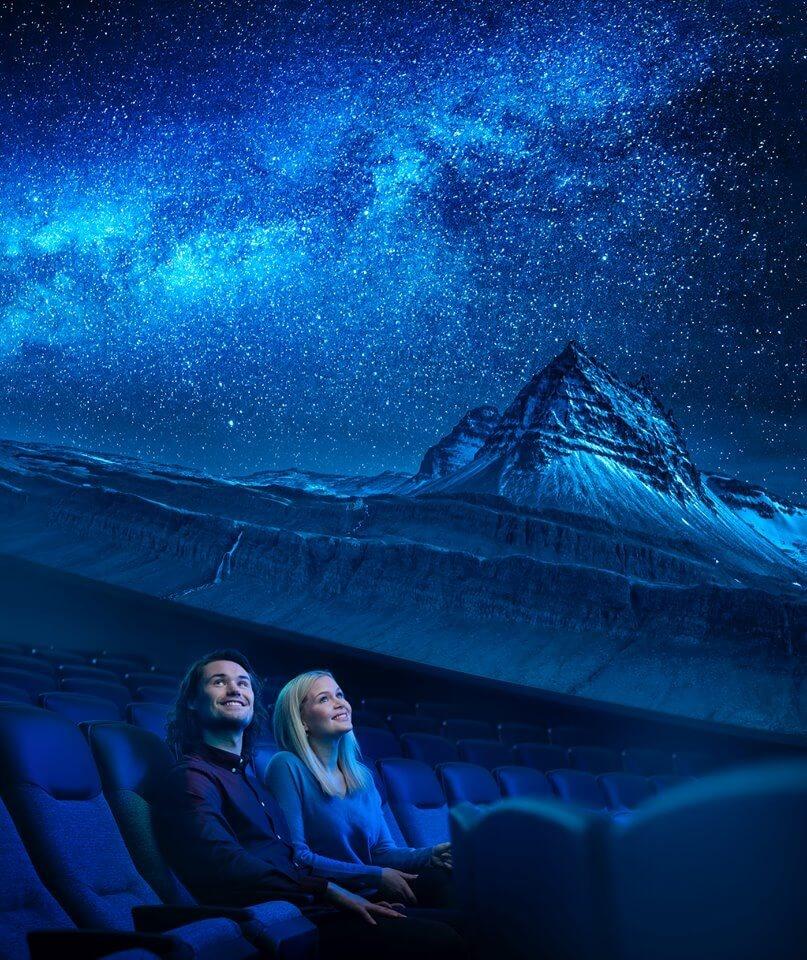
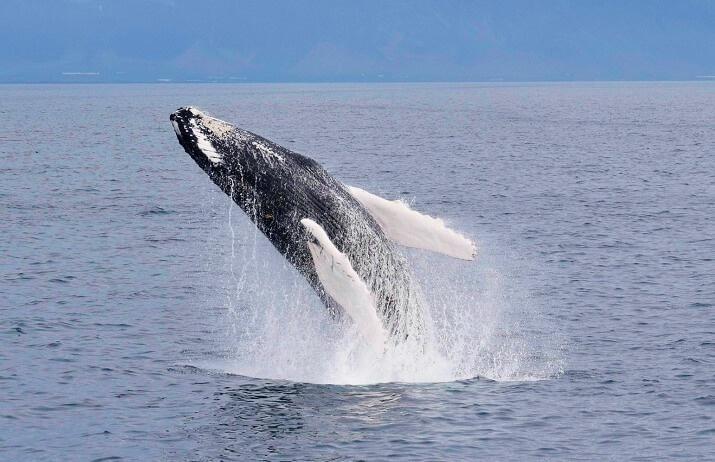
REYKJAVÍK - TOURS AND EXPERIENCES IN THE CAPITAL OF ICELAND
Important Note: These data are only informative. ICELAND s.r.o. (www.viajesislandia.com) is not responsible for the validity and updates of the information offered and translated. These data are published for informational purposes only and we cannot be responsible for their validity at all times. For current and official information on valid visas for Iceland, clients should contact direct official bodies in Iceland or in their country of origin. ICELAND s.r.o. cannot help you with these issues. This information was updated on 09.09.2025. ID-1100
Where to Stay in Reykjavík
ICELAND PACKING LIST: WHAT TO BRING FOR EVERY SEASON
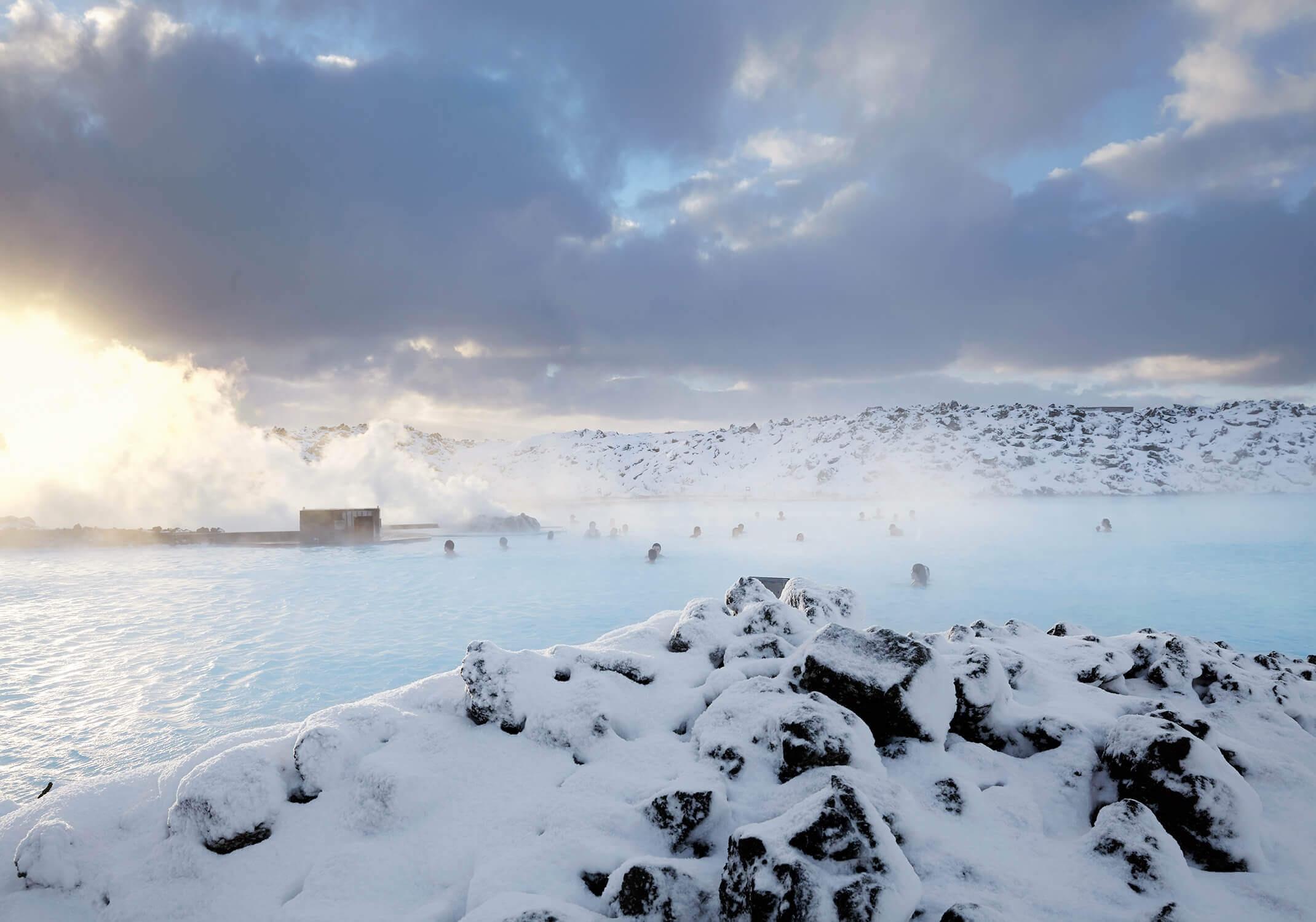
Packing for Iceland is unlike preparing for any other trip. The island’s famously unpredictable weather can shift from sunshine to rain to snow in a single day, no matter the season. To enjoy your adventure—whether you’re chasing waterfalls in summer, hiking glaciers in winter, or relaxing in hot springs—you’ll need the right gear. This guide covers seasonal essentials, activity-specific add-ons, and a printable checklist so you never forget the basics.
Seasonal Packing Lists
Summer in Iceland (June–August)
Icelandic summers are mild, with average daytime highs around 10–15°C (50–59°F). Long daylight hours (up to 24 hours in June) make it perfect for outdoor adventures—but sudden showers and chilly nights are common.
What to pack:
-
Waterproof and windproof jacket (light but sturdy)
-
Breathable base layers (long- and short-sleeve tops)
-
Lightweight fleece or wool sweater
-
Hiking boots (water-resistant, broken in)
-
Sleep mask (for bright nights)
-
Hat and light gloves for cooler evenings
Related read: Weather in Iceland
Winter in Iceland (November–March)
Icelandic winters are dark, cold, and magical—perfect for Northern Lights hunting and snowy landscapes. Temperatures usually range from –1 to 4°C (30–39°F), but wind chill can make it feel much colder.
What to pack:
-
Thermal base layers (tops and leggings)
-
Insulated parka or down jacket
-
Waterproof pants
-
Wool socks (several pairs)
-
Crampons/ice cleats for slippery sidewalks
-
Headlamp or flashlight (for dark days)
-
Warm hat, scarf, and insulated gloves
Explore our Dog Sledding Tours.
Shoulder Seasons (April–May & September–October)
These transition months bring a mix of sunshine, rain, and even snow. Expect variable temperatures (0–10°C / 32–50°F).
What to pack:
-
Layered clothing (base, fleece, waterproof shell)
-
Waterproof boots for muddy trails
-
Packable down jacket for unexpected cold snaps
-
Quick-dry travel towel (for hot springs)
-
Reusable water bottle
Related read: Best Time to Visit Iceland.
Activity Add-Ons
Glacier Hikes & Ice Caves
-
Crampons (check if provided by your tour)
-
Waterproof gloves
-
Gaiters to keep snow and water out
-
Sunglasses (for glare on the ice)
Discover our Glacier Tours.
Hot Springs & Lagoons
-
Swimsuit
-
Quick-dry towel
-
Waterproof phone pouch
-
Flip-flops or water shoes
Book your Blue Lagoon tickets.
Northern Lights Tours
-
Tripod and camera with manual settings
-
Extra camera batteries (they drain faster in the cold)
-
Insulated blanket or sitting pad
-
Hand warmers
See our Northern Lights packages.
Highlands & F-Road Adventures
-
Sturdy hiking boots with ankle support
-
Offline maps or GPS device
-
Sunscreen and sunglasses (UV reflection from snow and sand)
-
Extra snacks and water
Check our Highlands Super Jeep tours.
Printable Iceland Packing Checklist
✔ Passport, flight tickets, travel insurance
✔ Credit/debit cards and some local cash
✔ International driver’s license (if renting a car)
✔ Waterproof and windproof jacket
✔ Layered clothing (base, mid, outer)
✔ Warm hat, gloves, scarf
✔ Sturdy waterproof boots
✔ Swimsuit & towel
✔ Sunglasses & sunscreen
✔ Power bank & EU plug adapter
✔ Camera + tripod (optional)
✔ Reusable water bottle
✔ Snacks for long drives
Practical Tips for Packing
-
Think layers, not bulk: Icelandic weather changes quickly, so flexible layers work better than one heavy coat.
-
Rent or buy gear locally: Items like crampons, sleeping bags, or even waterproof overalls can be rented in Iceland.
-
Choose luggage wisely: A backpack or soft duffel works better than a hard suitcase, especially if traveling in a campervan.
-
Leave room in your bag: Many visitors pick up Icelandic wool sweaters (lopapeysa) or souvenirs.
Plan ahead with our Tours Packages.
- Tourist Information Center: Located in the city center, perfect for maps, tips, and bookings. Aðalstræti 2, 101 Reykjavík Tel: (+354) 590 1550
This email address is being protected from spambots. You need JavaScript enabled to view it.
Clothing & Gear Rentals: If you prefer not to pack heavy winter clothing or outdoor equipment, you can rent it in Reykjavík:
- Iceland Cover – Bankastræti 5, 101 Reykjavík | Outdoor clothing & camping gear rental.
- Gangleri Outfitters – Vatnsstígur 6b, 101 Reykjavík | Parkas, boots, and hiking gear.
- 66°North Rent Service (selected stores) – Kringlan Shopping Center or Laugavegur main store | Quality jackets and layers.
Emergency Number: Dial 112 for police, ambulance, or fire emergencies anywhere in Iceland.
FAQs About Packing for Iceland
What should I not forget when packing for Iceland?
A waterproof jacket, sturdy boots, and warm layers are absolute musts—regardless of the season.
Do I need waterproof pants in Iceland?
Yes, especially if you plan to hike, visit waterfalls, or travel in winter. They keep you warm and dry in unpredictable weather.
Can I wear sneakers in Iceland in summer?
Sneakers are fine for city walks, but not for hikes or uneven terrain. Waterproof hiking boots are strongly recommended.
How do I pack for Iceland in winter?
Think warm layers: thermal base, insulating mid-layer, and a windproof, waterproof outer shell. Don’t forget crampons for icy streets.
Is it better to bring or rent outdoor gear in Iceland?
For essentials like jackets and boots, bring your own. Specialized equipment like crampons, helmets, or sleeping bags can easily be rented locally.
Important Note: These data are only informative. ICELAND s.r.o. (www.viajesislandia.com) is not responsible for the validity and updates of the information offered and translated. These data are published for informational purposes only and we cannot be responsible for their validity at all times. ID-1101
Iceland Packing List: What to Bring for Every Season
TRAVELLING TO ICELAND IN JANUARY
NORTHERN LIGHTS, ICE CAVES & WINTER WONDERS
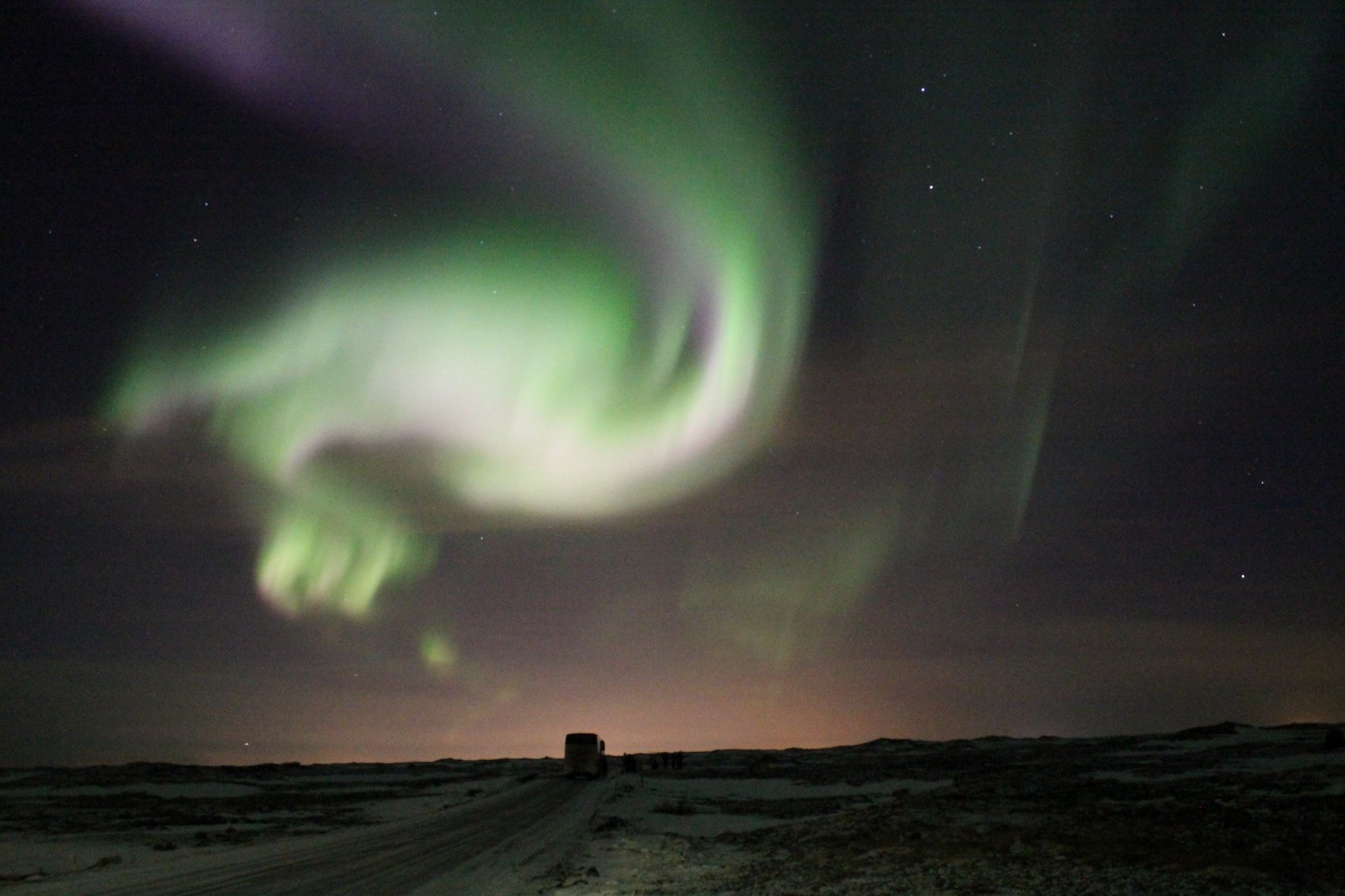
Iceland, often called the “Land of Fire and Ice,” is a country of striking contrasts—where glaciers meet volcanoes, black-sand beaches meet snowy peaks, and geothermal pools steam under icy skies. While summer attracts many travelers, visiting Iceland in winter (late October to early April) reveals a magical side of the island. It’s not only about cold weather—it’s about Northern Lights, frozen waterfalls, glowing ice caves, and traditions you won’t find anywhere else.
Northern Lights: Iceland’s Winter HighlightSummer in Iceland (June–August)
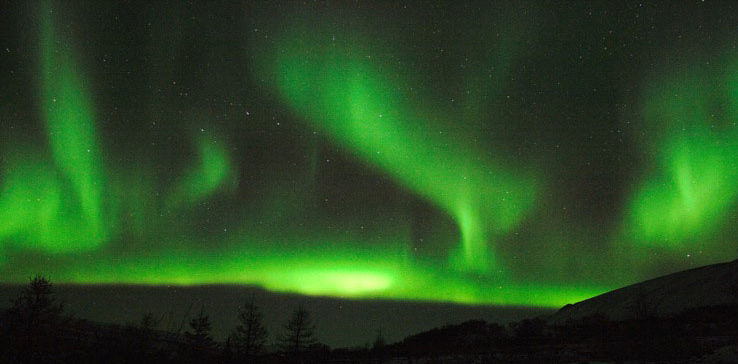
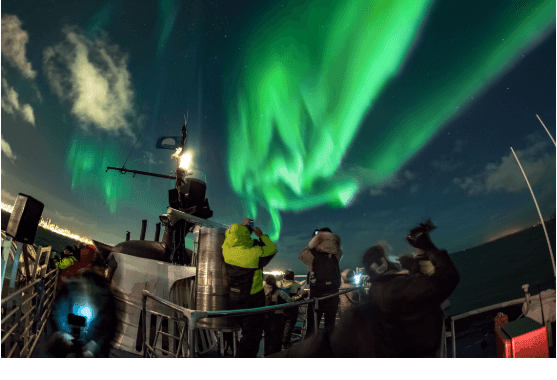
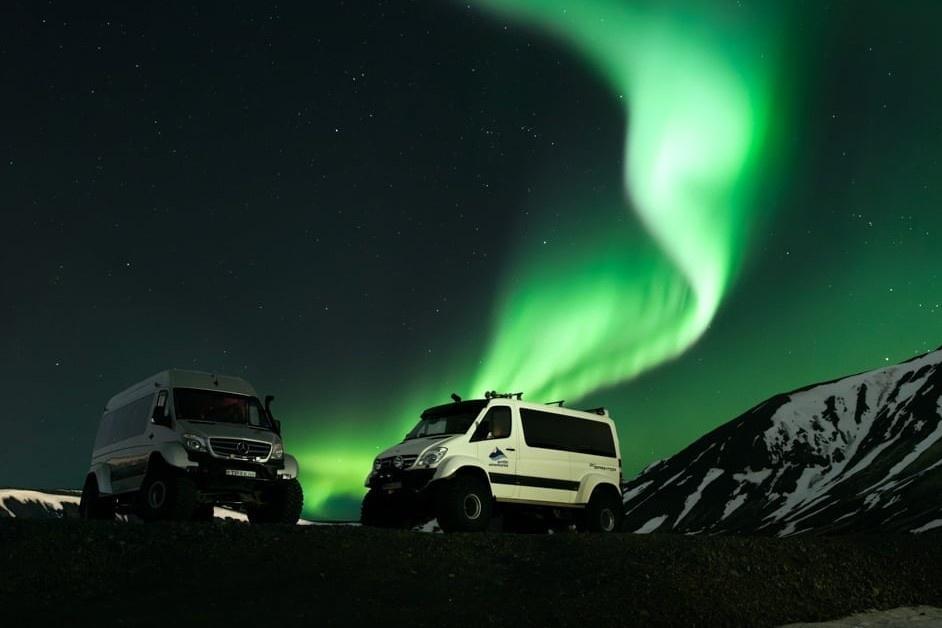
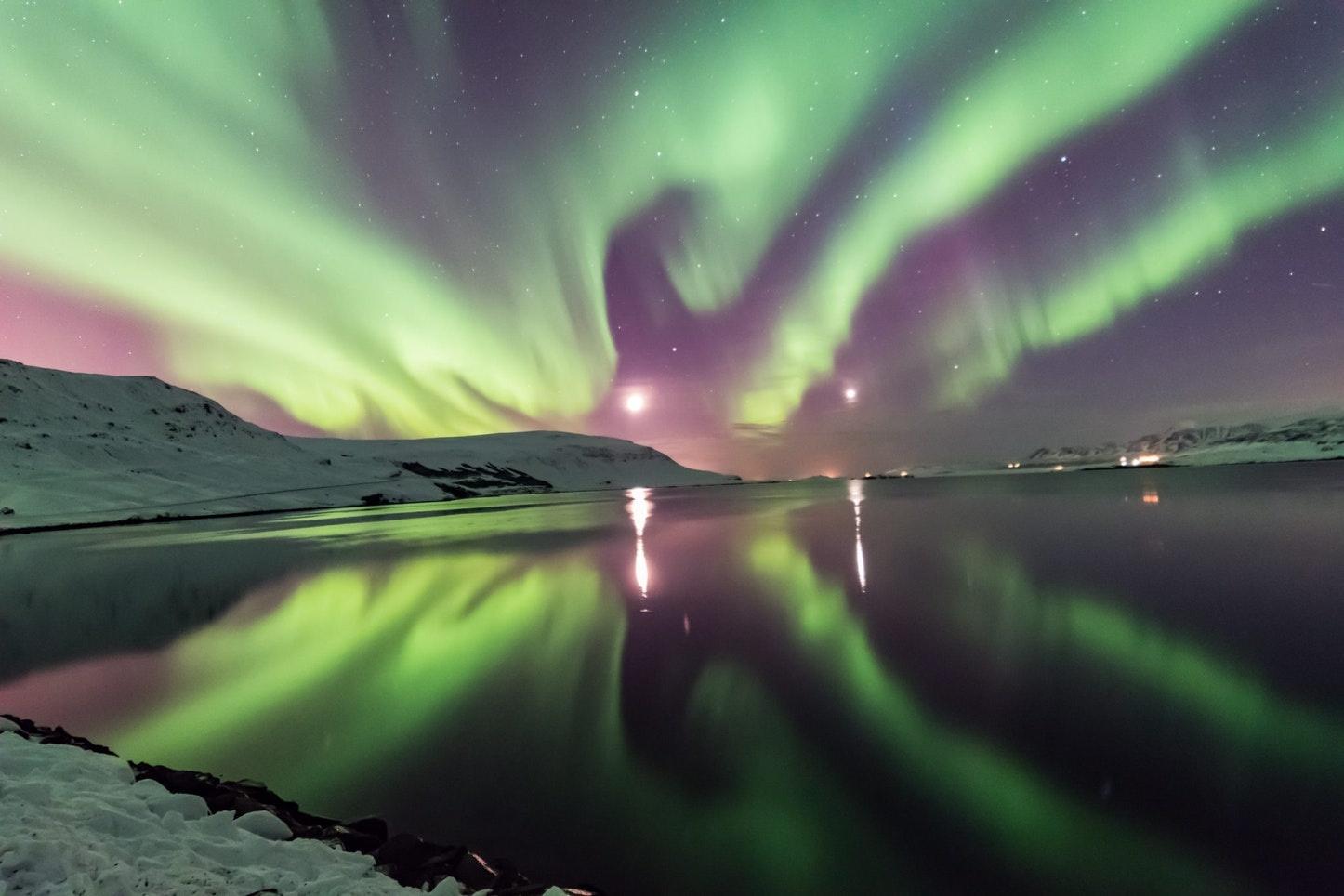
- One of the main reasons to visit Iceland in January is the chance to witness the Aurora Borealis.
- Long, dark nights create ideal conditions, especially away from light pollution.
- Popular viewing locations: Þingvellir National Park, Snæfellsnes Peninsula, and North Iceland.
- Guided Northern Lights tours increase the likelihood of spotting this breathtaking phenomenon.
Winter Landscapes and Ice Caves
-
Glaciers cover 11% of Iceland, and January is the prime season for exploring ice caves—formed by shimmering blue ice, accessible only with certified guides.
-
Waterfalls such as Gullfoss, Skógafoss, and Dettifoss partially freeze, creating dramatic winter scenes.
-
Black-sand beaches like Reynisfjara look even more surreal with a layer of snow.
Hot Springs and Geothermal Baths
-
Iceland’s geothermal energy means hot pools are everywhere.
-
The Blue Lagoon is world-famous, but travelers should also try the Secret Lagoon, Sky Lagoon, or Mývatn Nature Baths.
-
Soaking in hot water while snow falls around you is a uniquely Icelandic experience.
Winter Activities and Adventures
-
Glacier hiking and ice climbing on Vatnajökull and other glaciers.
-
Snowmobiling across Iceland’s highlands and glaciers.
-
Dog sledding and horseback riding for a different perspective of the landscapes.
-
Skiing and snowboarding—small resorts, but incredible scenery.
- Tourist Information Center: Located in the city center, perfect for maps, tips, and bookings. Aðalstræti 2, 101 Reykjavík Tel: (+354) 590 1550
This email address is being protected from spambots. You need JavaScript enabled to view it.
Clothing & Gear Rentals: If you prefer not to pack heavy winter clothing or outdoor equipment, you can rent it in Reykjavík:
- Iceland Cover – Bankastræti 5, 101 Reykjavík | Outdoor clothing & camping gear rental.
- Gangleri Outfitters – Vatnsstígur 6b, 101 Reykjavík | Parkas, boots, and hiking gear.
- 66°North Rent Service (selected stores) – Kringlan Shopping Center or Laugavegur main store | Quality jackets and layers.
Emergency Number: Dial 112 for police, ambulance, or fire emergencies anywhere in Iceland.
Fewer Tourists, More Authenticity
-
Unlike summer, January is quieter—offering a more intimate travel experience.
-
Accommodation and car rental prices are often lower than in peak months.
-
Winter travel makes it easier to connect with Icelanders in their natural rhythm.
Cultural Experiences in January
-
Christmas magic lasts into early January, with the 13 Yule Lads and festive lights.
-
Þorrablót (Thorri Feast) in January and February lets visitors taste traditional Icelandic dishes.
-
Reykjavik offers museums, cozy cafés, music festivals, and cultural life perfect for winter day
Practical Tips for January Travel
-
Daylight: Expect only 4–6 hours of light, perfect for Northern Lights but requiring good planning.
-
Weather: Be prepared for snow, wind, and occasional storms—flexibility is key.
-
Transport: Rent a 4x4 vehicle and check road conditions daily. Book guided tours for ice caves and
-
Northern Lights to maximize safety and enjoyment
Conclusion
Traveling to Iceland in January is not just a holiday—it’s a winter adventure. From chasing the Northern Lights and walking inside ice caves to relaxing in geothermal lagoons and experiencing authentic Icelandic traditions, January offers a side of Iceland that few get to see. For those looking for natural beauty, tranquility, and a touch of magic, Iceland in winter is truly unforgettable.
Important Note: These data are only informative. ICELAND s.r.o. (www.viajesislandia.com) is not responsible for the validity and updates of the information offered and translated. These data are published for informational purposes only and we cannot be responsible for their validity at all times. ID-1102