ES
ES  EN
EN 

BEST TIME TO VISIT ICELAND: Month-by-Month Guide
Choosing the best time to visit Iceland depends on what you want to experience: the Northern Lights, puffin colonies, road trips around the Ring Road, or long summer days under the midnight sun. Weather, daylight hours, road conditions, and costs vary dramatically throughout the year.
This guide provides a month-by-month breakdown, with details on daylight, temperatures, road openings, seasonal activities, and travel costs. You will also find information about regional weather differences, wildlife watching (puffins, whales), Northern Lights probability, and packing recommendations.
Month-by-month breakdown
- January
Weather: Coldest month, average temps -1°C to 3°C.
Daylight: 4–7 hours.
Highlights: Northern Lights, ice caves, glacier hikes.
Travel tips: Roads icy—4×4 recommended.
Recommended tour: Ice Cave & Glacier Hike from Skaftafell
– January is peak season for exploring natural ice caves in Vatnajökull, as they are most stable and accessible.Why it’s best: Short days make it easy to combine ice caves with nighttime aurora hunting. 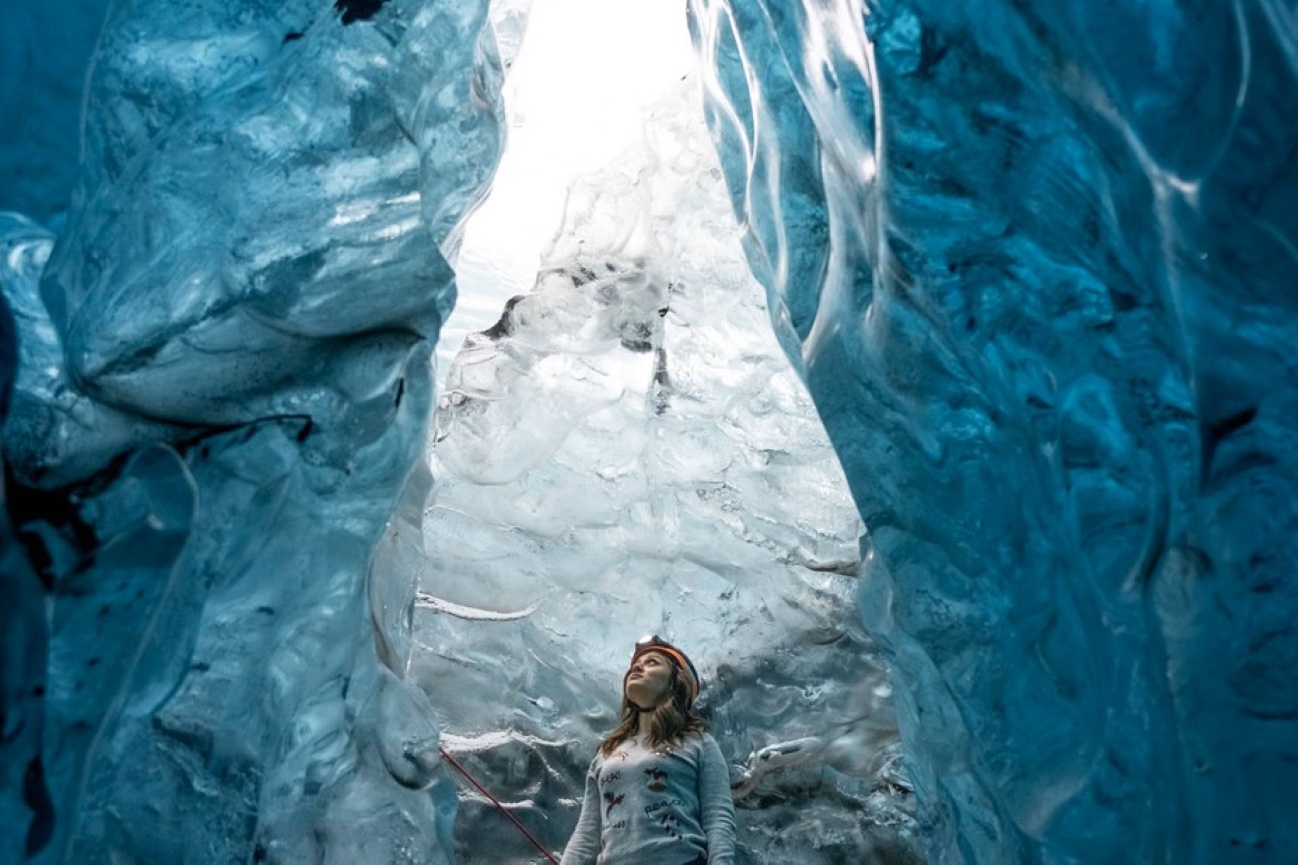
February
- Weather: Similar to January, with more storms.
Daylight: 7–10 hours.
Highlights: Winter festivals in Reykjavík, Aurora hunting, snow activities.
Travel tips: Still off-season, lower prices.
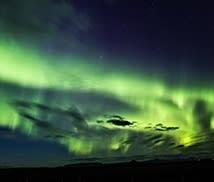
Recommended tour: Northern Lights Bus Tour from Reykjavík
– Clear winter nights offer the best chances for seeing the aurora.Why it’s best: February’s mix of festivals and auroras makes it one of the most atmospheric months.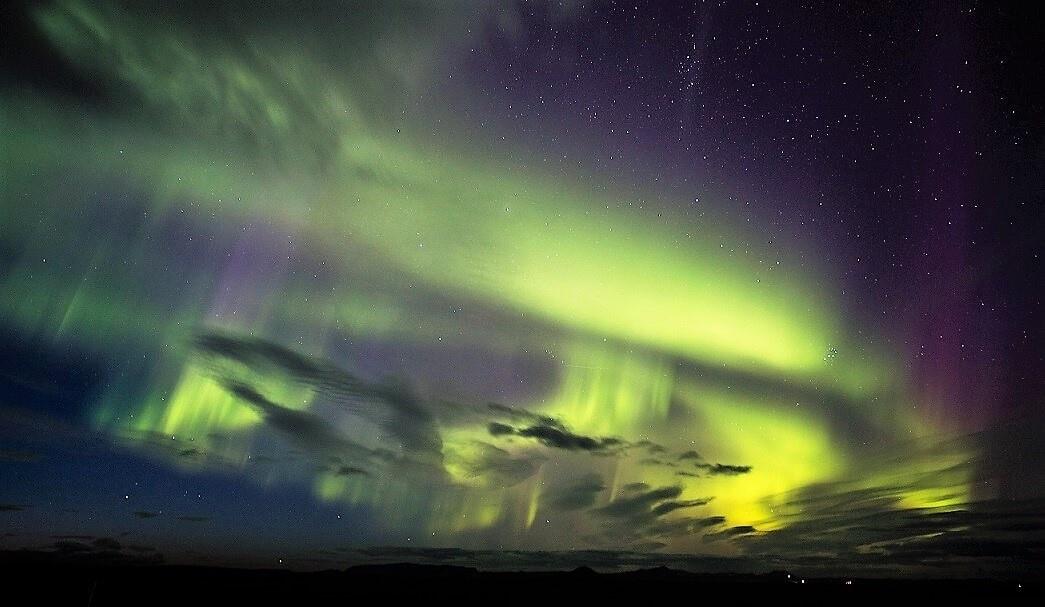
March
Weather: Cold but improving, 0°C to 4°C.
Daylight: 10–13 hours.
Highlights: Longer days, Northern Lights still visible, start of spring vibes.
Travel tips: Good balance of light + auroras.
Recommended tour: Golden Circle & Secret Lagoon
– March offers a balance of daylight for sightseeing and the chance to end the day soaking in warm geothermal waters.Why it’s best: More daylight hours mean you can explore longer without losing the magic of auroras.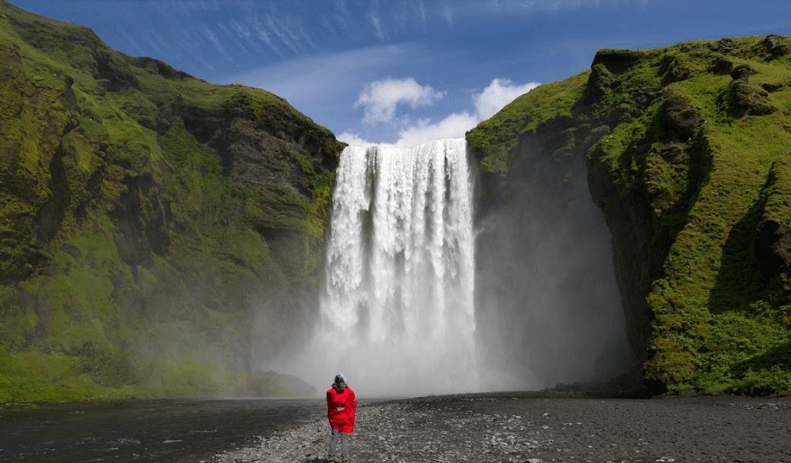
- April
Weather: 2°C to 7°C, snow melting.
Daylight: 13–16 hours.
Highlights: Puffins return, waterfalls at full power, Easter events.
Travel tips: Shoulder season = fewer crowds.
Recommended tour: South Coast Waterfalls & Black Sand Beach
– In April, waterfalls like Seljalandsfoss and Skógafoss roar with meltwater, offering spectacular views.Why it’s best: Shoulder season means fewer crowds and dramatic spring landscapes.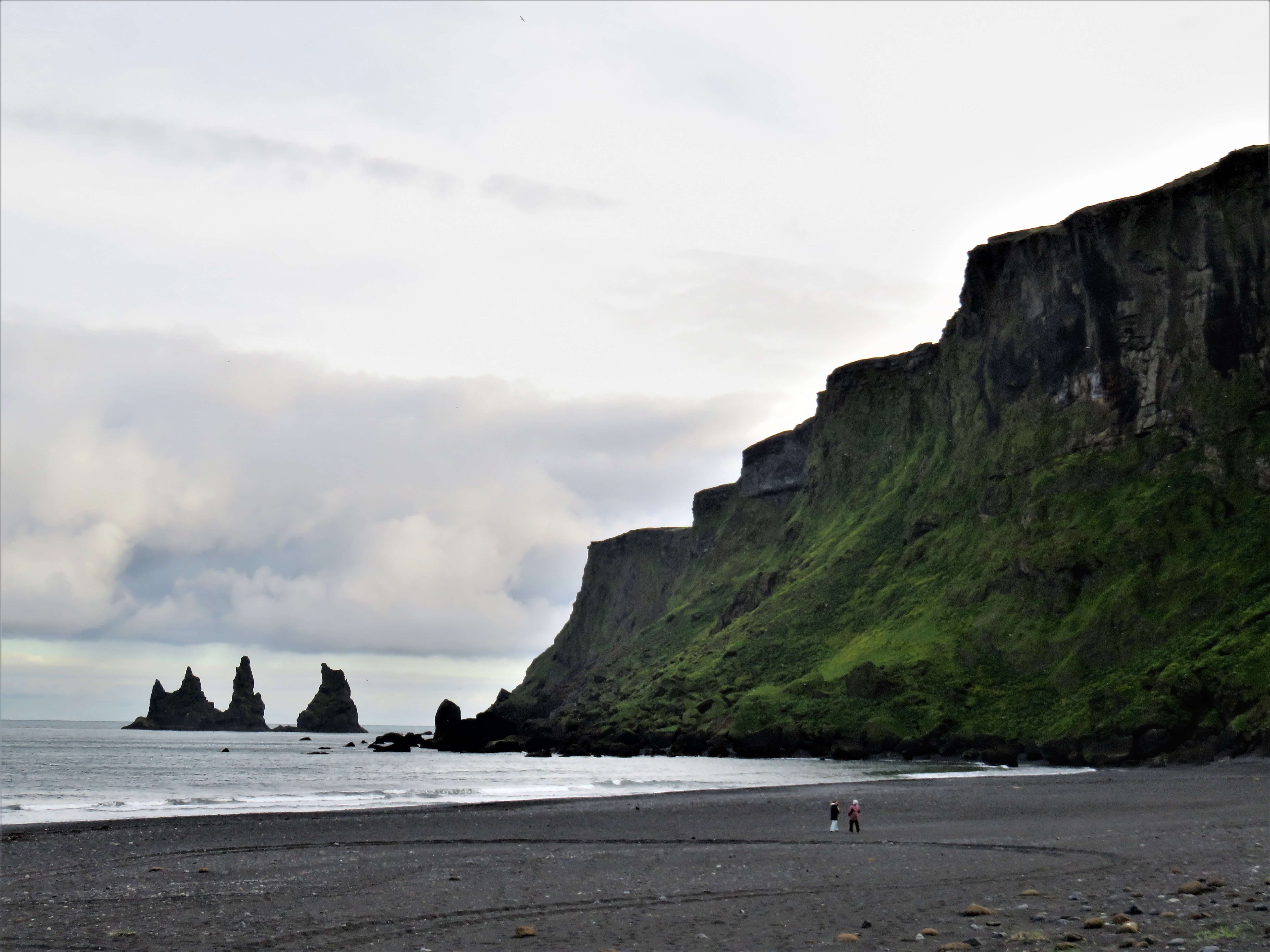
May
Weather: Mild, 5°C to 10°C.
Daylight: 16–20 hours.
Highlights: Blooming landscapes, wildlife watching, first highland roads open.
Travel tips: Ideal for road trips before peak summer.
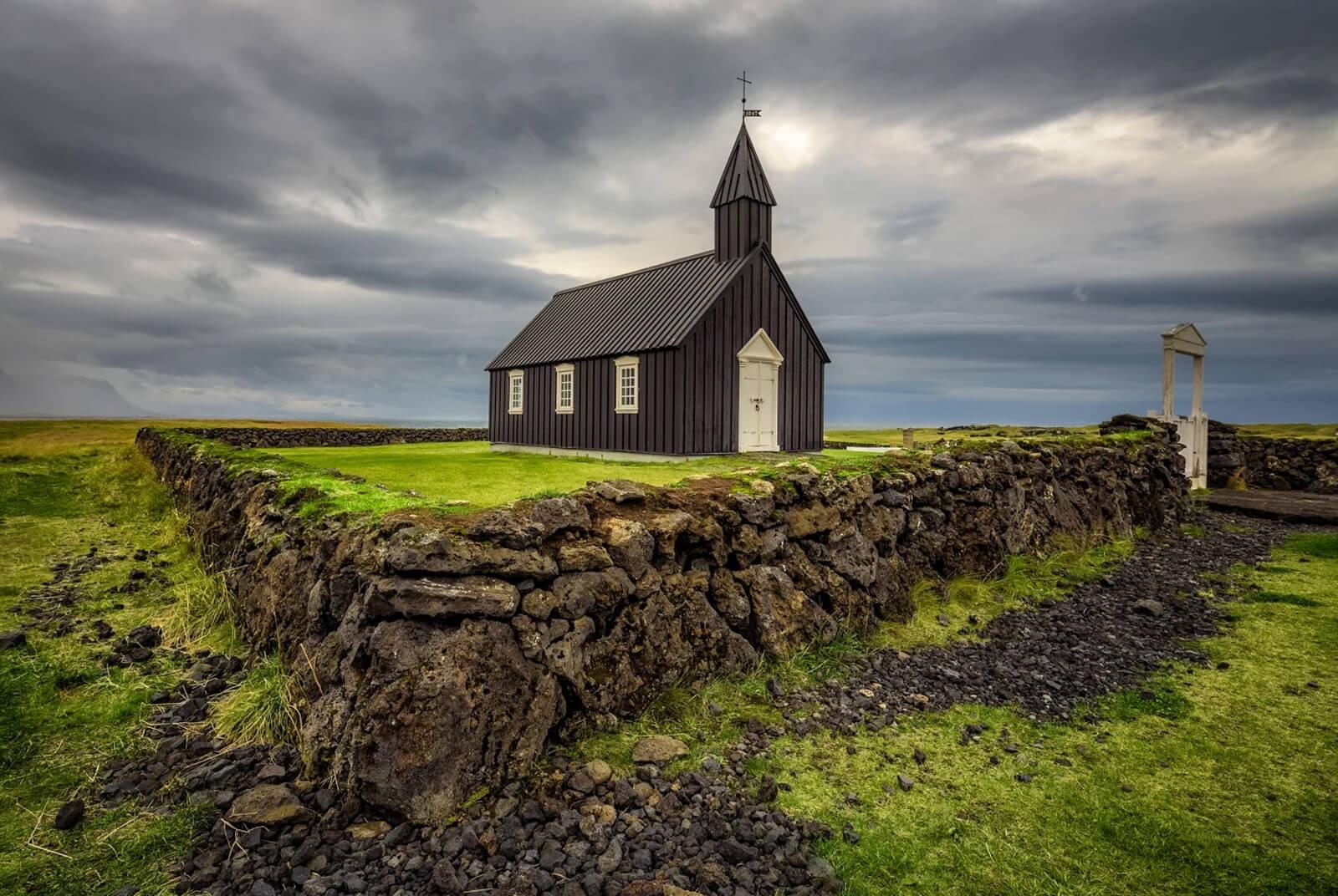
Recommended tour: Snæfellsnes Peninsula Day Trip
– May is perfect for exploring diverse landscapes without peak summer crowds.Why it’s best: Long daylight hours give you more time to explore in comfort.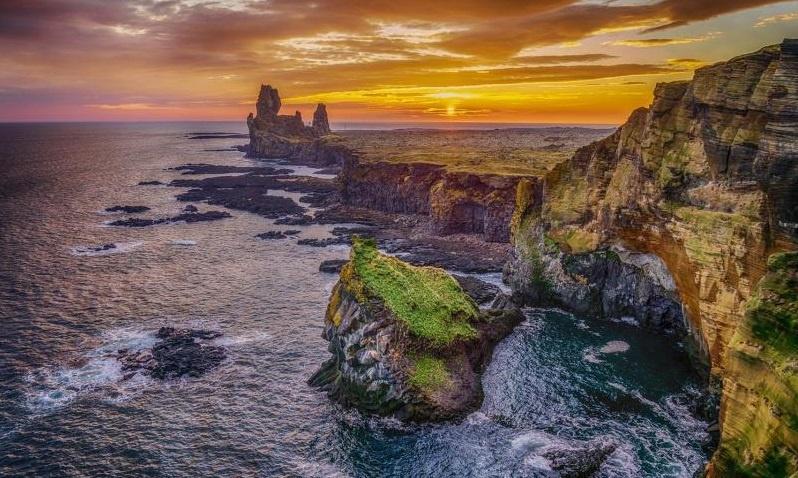
June
Weather: 8°C to 13°C
Daylight: 20–24 hours (midnight sun).
Highlights: Long days for hiking, whale watching, festivals.
Travel tips: Book early—summer season begins.
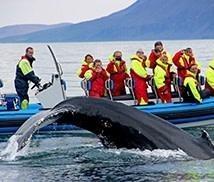
Recommended tour: Whale Watching from Reykjavík
– June marks peak whale-watching season under endless daylight.Why it’s best: Midnight sun allows for unforgettable wildlife tours at almost any hour.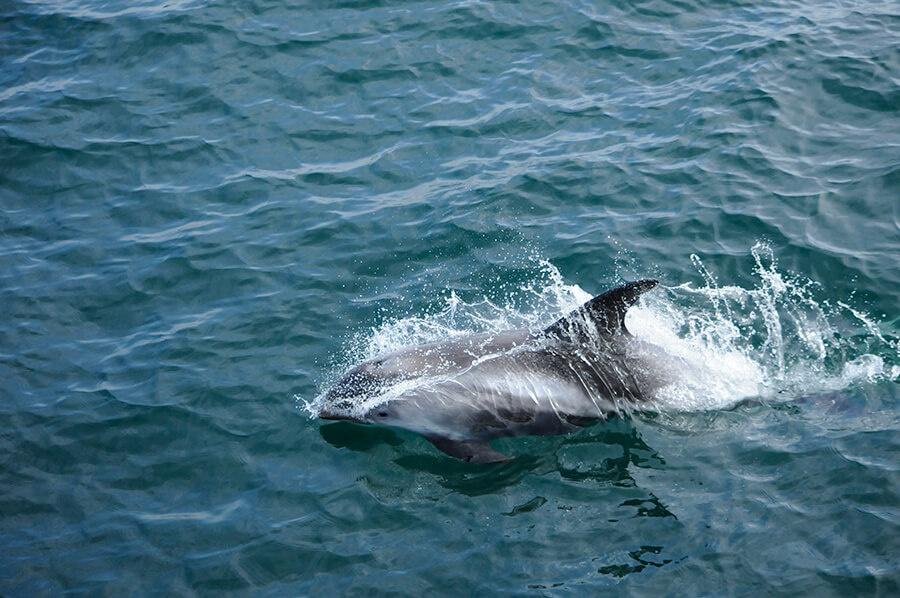
July
Weather: Warmest month, 10°C to 15°C.
Daylight: 18–21 hours.
Highlights: Peak travel season, camping, highland adventures.
Travel tips: Most expensive month; advance bookings essential.
Recommended tour: Landmannalaugar Highlands Day Trip
– July is the best time to access the colorful rhyolite mountains and hot springs of the Highlands.Why it’s best: Roads to the Highlands are fully open and landscapes are at their greenest.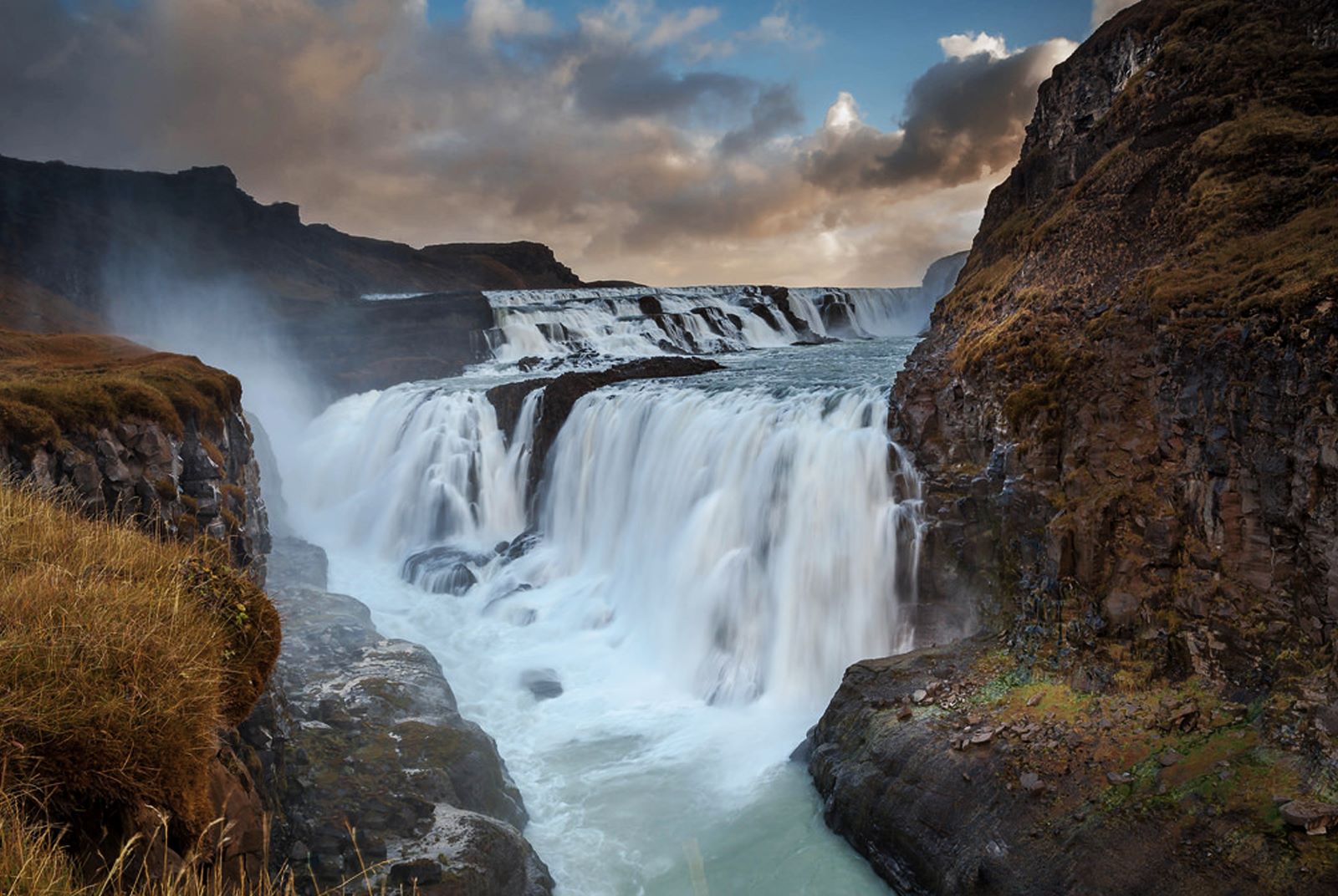
August
Weather: 9°C to 14°C.
Daylight: 15–18 hours.
Highlights: Puffins still around, highland trails open, harvest festivals.
Travel tips: Great for camping + hiking.
Recommended tour: Lake Mývatn from Akureyri
– August is the only reliable month to reach the remote interior safely.Why it’s best: Last chance to see puffins and enjoy the Highlands before winter closures.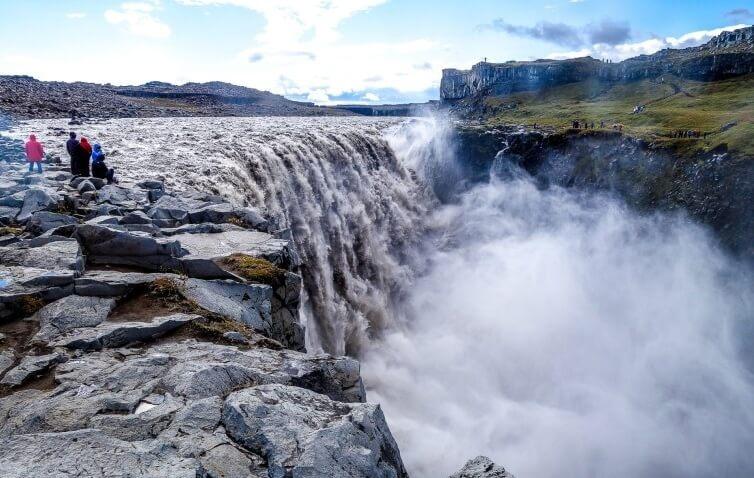
September
Weather: Cooler, 6°C to 11°C.
Daylight: 12–15 hours.
Highlights: Northern Lights season begins, autumn colors, cultural events.
Travel tips: Fewer crowds, lower prices than summer.
Recommended tour: Northern Lights Small-Group Tour
– September nights are dark enough for auroras while days remain mild for sightseeing.Why it’s best: A perfect balance of fewer tourists, lower prices, and magical autumn colors.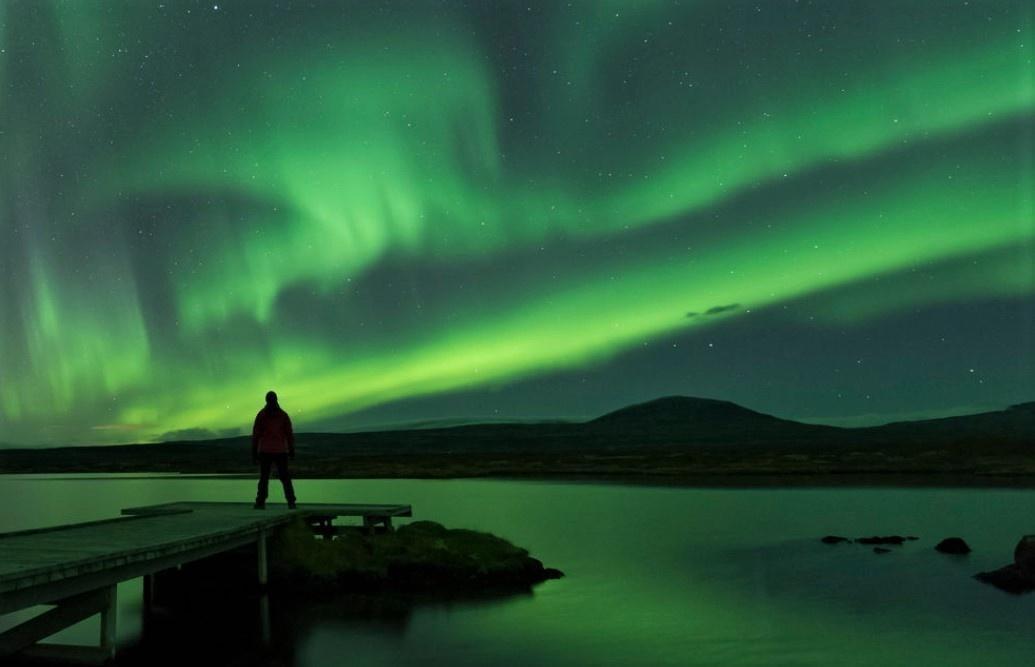
- October
Weather: 2°C to 7°C, stormy.
Daylight: 8–11 hours.
Highlights: Northern Lights, quieter sites, winter activities return.
Travel tips: Pack for unpredictable weather.
Recommended tour: Inside the Volcano – Þríhnúkagígur
– One of the last months to descend into a dormant volcano before the tour closes for winter.Why it’s best: Combines rare volcanic experiences with the return of auroras.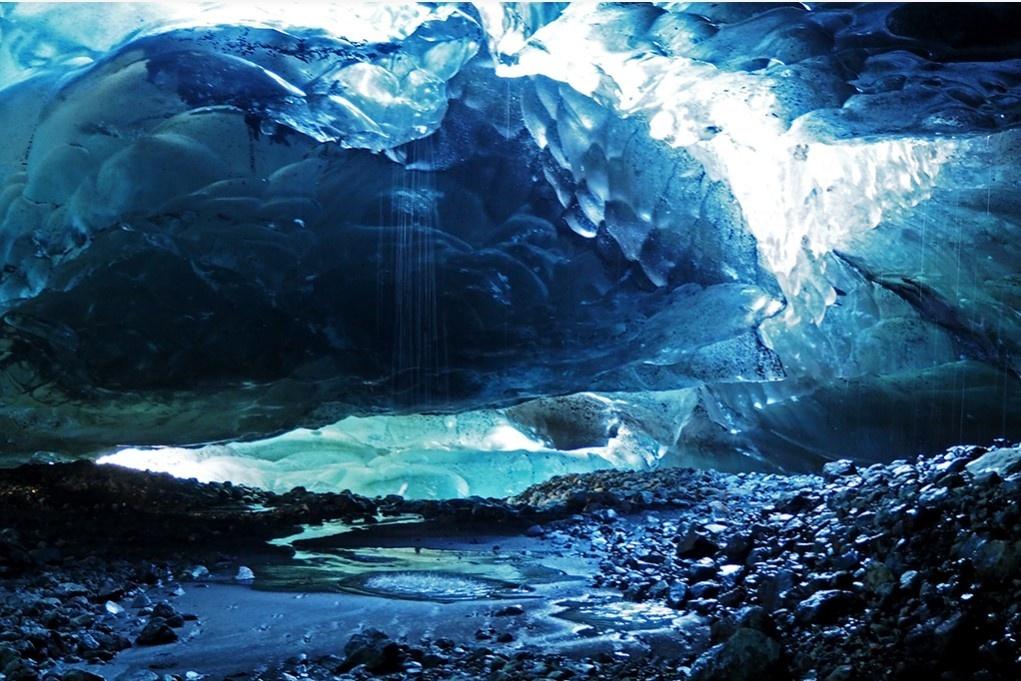
November
Weather: Cold, 0°C to 4°C.
Daylight: 5–8 hours.
Highlights: Aurora hunting, early ice caves, Christmas markets.
Travel tips: Affordable, but limited daylight.
Recommended tour: Snowmobile adventure from Gullfoss
– Ice caves reopen in November, offering surreal blue formations.Why it’s best: Short days and early winter atmosphere create a cozy, magical vibe.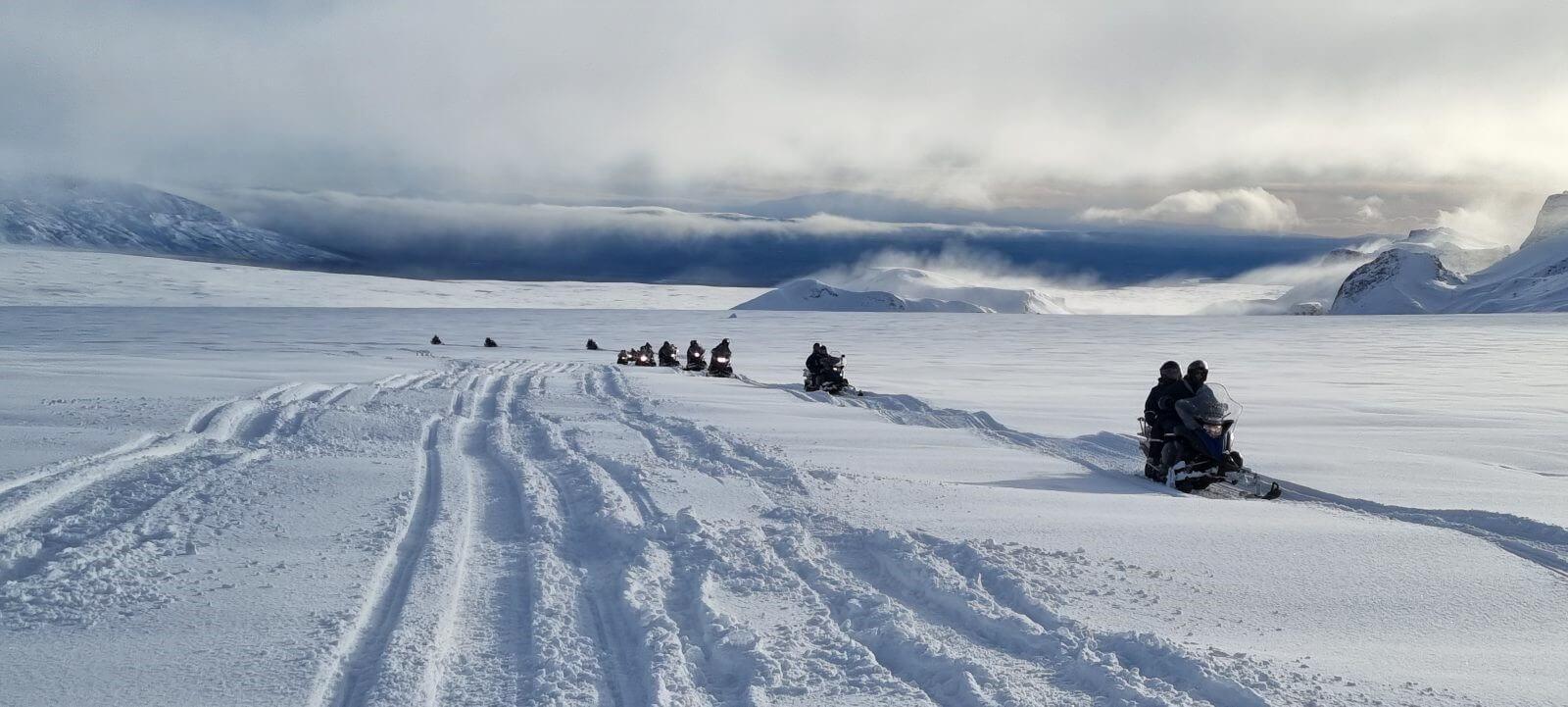
December
Weather: -1°C to 3°C.
Daylight: 4–5 hours.
Highlights: Christmas lights in Reykjavík, Northern Lights, New Year fireworks.
Travel tips: Magical month, but short days and icy roads.Recommended tour: Blue Lagoon Admission with Transfers
– The perfect way to warm up and relax during Iceland’s festive season.Why it’s best: Combining hot springs, auroras, and holiday spirit makes December unforgettable.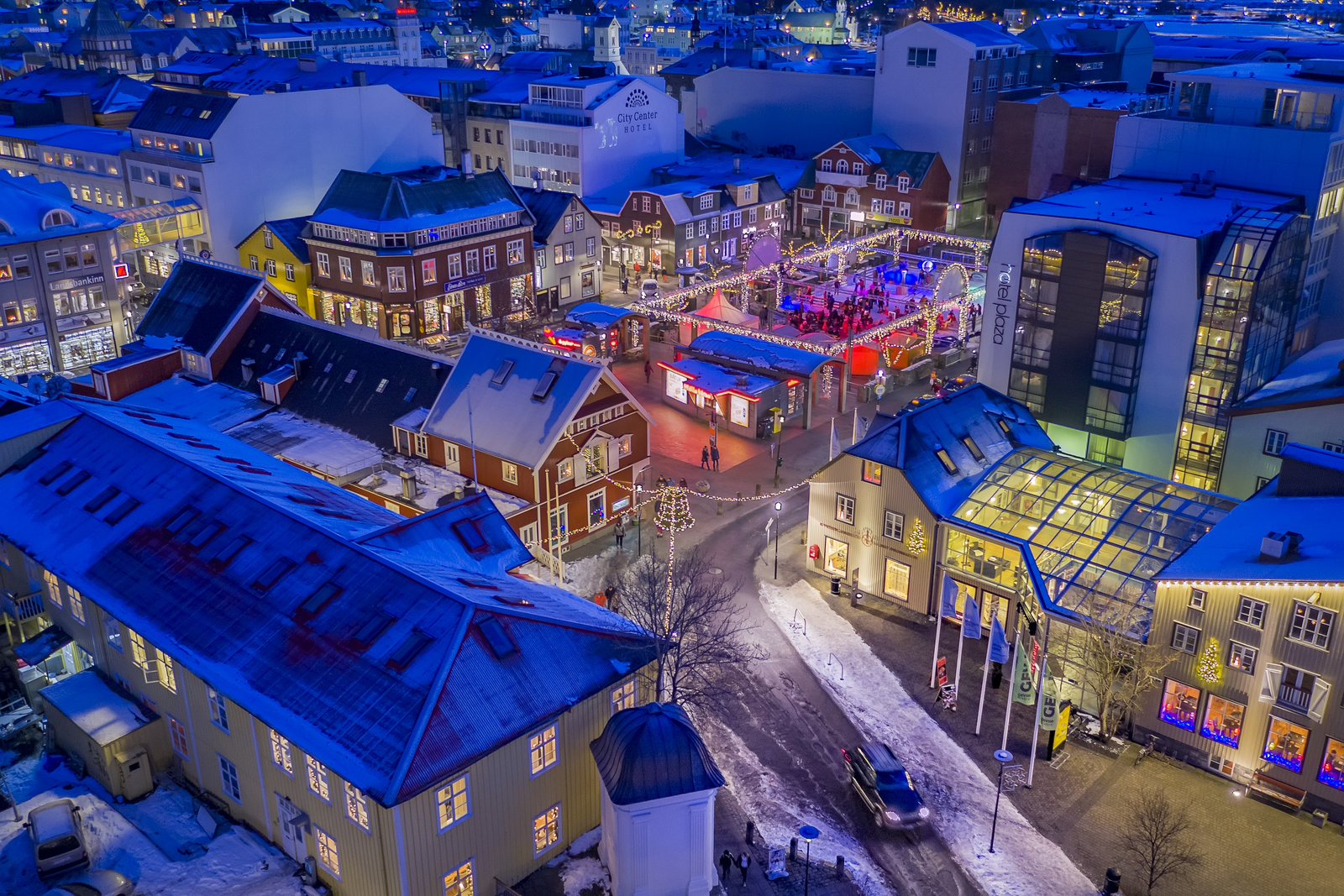
Daylight Hours in Iceland
Month Sunrise Sunset Daylight hours January 11:19 15:44 ~4.5 h February 09:55 17:29 ~7.5 h March 08:21 18:56 ~10.5 h April 06:44 20:20 ~13.5 h May 04:39 22:17 ~17.5 h June 03:03 23:56 21+ h July 03:27 23:31 20 h August 04:58 21:52 ~16 h September 06:29 20:08 ~13.5 h October 07:57 18:11 ~10 h November 09:24 16:40 ~7 h December 11:14 15:30 ~4 h Weather & Temperatures by Region
-
Reykjavík (Southwest): Milder winters, more rain.
-
North Iceland (Akureyri, Mývatn): Colder, more snow, clearer skies.
-
East Fjords: Less visited, drier climate.
-
Westfjords: Remote, heavy snow in winter, accessible mainly in summer.
-
Highlands: Only accessible June–August via 4×4.
Average temperatures (Reykjavík):
-
Winter: –1°C to +2°C
-
Summer: 10–15°C
Road Conditions in Iceland
-
Ring Road (Route 1): Open year-round, but can be icy, snowy, or windy in winter. Travel times may double.
-
F-roads (mountain roads): Open only from late June to early September. 4×4 required.
-
Driving tips:
-
Check our Driving in Iceland guide.
-
Use www.road.is for real-time road conditions.
-
Always allow extra time in winter.
-
Costs by Season
-
High season (June–August): Highest prices for hotels, car rentals, tours.
-
Shoulder seasons (May, September, October): Better prices, fewer crowds.
-
Winter (Nov–March): Lowest prices (except Christmas/New Year).
Northern Lights
-
Visible from late August to mid-April.
-
Best months: September, October, February, March.
-
Need clear, dark skies and solar activity.
-
Tours: Northern Lights bus, Super Jeep, or boat tours.
Wildlife by Season
-
Puffins: May to mid-August.
-
Whales: Year-round, but peak May–September.
-
Seals: Best spotted in North Iceland.
Packing Tips by Season
-
Winter: insulated jacket, thermal layers, crampons, waterproof boots.
-
Summer: layers, rain jacket, hiking shoes, sleep mask (for midnight sun).
-
Year-round: swimwear for hot springs, reusable water bottle.
FAQsIs May a good time to visit Iceland?
Yes – long days, mild weather, lower prices, and fewer tourists than summer.Can I see the Northern Lights in September?
Yes – September marks the start of aurora season, with good balance of weather and darkness.When do F-roads open?
Usually late June, depending on snowmelt, and close by mid-September.Is Iceland very cold in winter?
Not as cold as many expect – Reykjavík averages around 0°C, but wind makes it feel colder.What is the cheapest time to travel to Iceland?
November to March (excluding Christmas/New Year).-
Note: Some of the packages and tours offered are operated by ISLANDICA s.r.o. and others by our collaborating agencies. We act as an operator and as an intermediary agent between travel agencies and clients. If the trips are operated by our partner agencies, the reservation and payment are made directly with the provider in order to secure the best price for your trip to Iceland. ID109