ES
ES  EN
EN 

DOG SLEDDING IN NORTH ICELAND
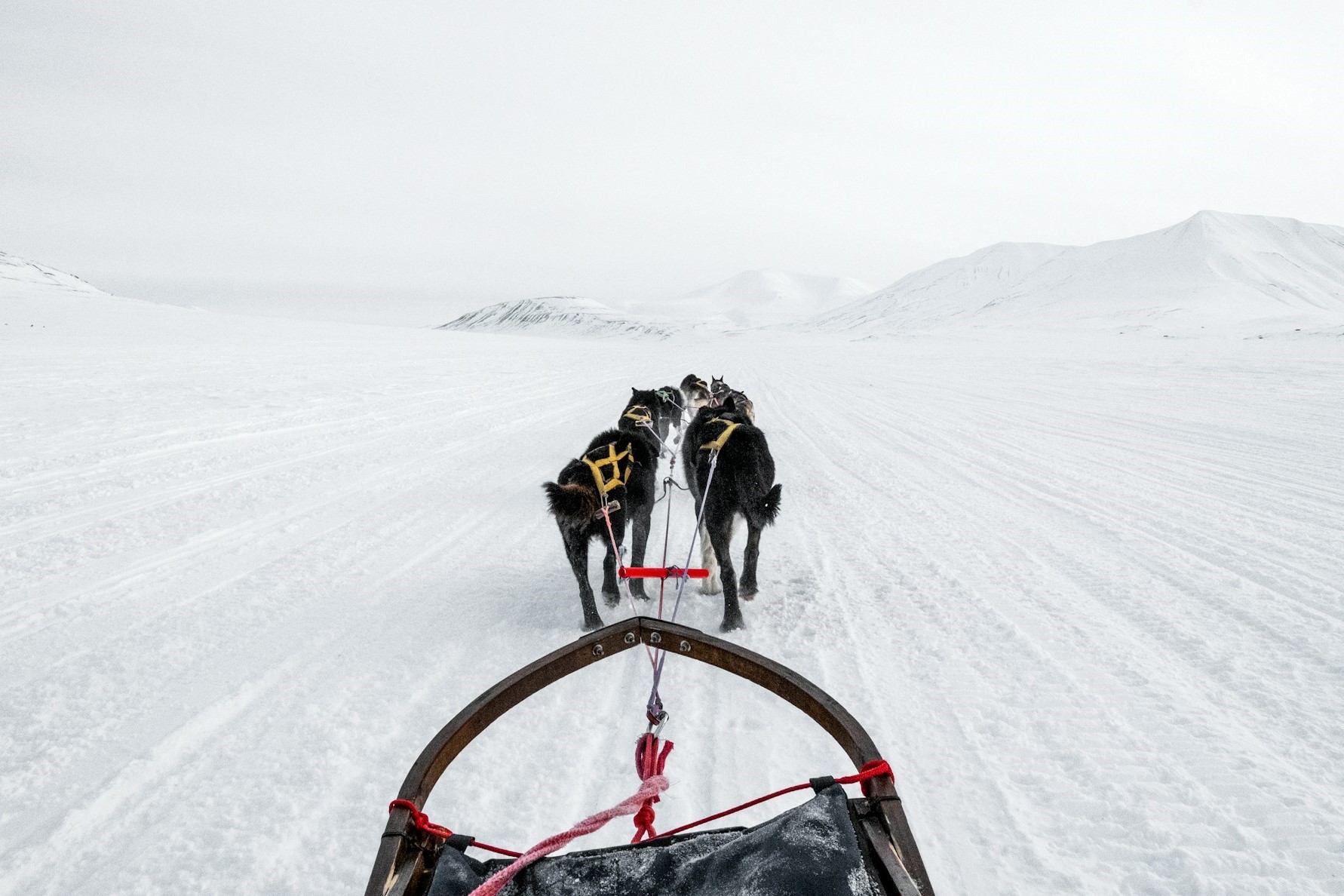
Join the exclusive dog sledding tour at Vallholt farm, located between Akureyri and Lake Mývatn, North Iceland, just 445 km from Reykjavík. Experience the thrill of a private sled journey through a 6-8 km scenic trail, guided by a professional Musher and pulled by 8-10 spirited Siberian Huskies. The journey lasts approximately 40-70 minutes, with ample time for photos along the way. You’ll also get a hands-on lesson in dog sledding, and if you're up for it, you can even try mushing the sled yourself!
RESERVE YOUR DOG SLEDDING IN NORTH ICELAND HERE:
Important Note: All of the activities on this tour are completed under the responsibility of each client. It is possible that there will be additional signature requirements before completing certain activities. SN-ID1026
Dog Sledding in North Iceland
DOG SLEDDING ADVENTURE TOUR IN ICELAND FROM AKUREYRI
RIDE A SLED PULLED BY HUSKIES ACROSS ICELAND
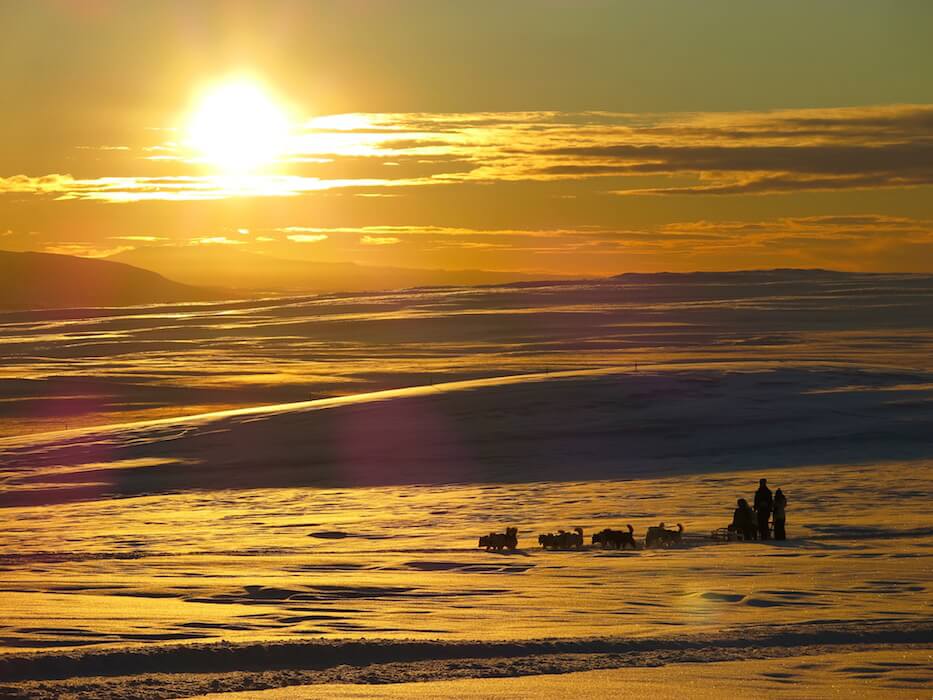
Have a truly Icelandic experience by taking a dog sled ride in the wilderness of Iceland. You and your small group will be pulled by these powerful and intelligent dogs across beautiful landscapes. At the midpoint of the ride you will get to take a short break so that you can cuddle and play with the dogs who love a good belly rub! Don't miss out on one of the most exciting experiences you can have in Iceland. And learn about the history and culture of dog sledding and its many uses from the musher (the driver) during the ride.
Join this 2 hours tour with huskies from Akureyri - 380 km (236 miles) from Reykjavík. Our guests (groups of 2 to 4 persons) have a private sled with a Musher with 8-10 Siberian Huskies pulling us on a scenic trail of 6 - 8 km, taking approximately 40-70 minutes with picture stops.
RESERVE YOUR DOG SLED ADVENTURE TOUR WITH TRANSFER FROM AKUREYRI HERE:
Dog sledding from Akureyri
Important Note: All of the activities on this tour are completed under the responsibility of each client and guest. Neither the provider of the tour, nor ISLANDICA s.r.o. will or can be held responsible in the unlikely event of an accident that could potentially happen during the activities or by an action taken by the guest him/herself. All individuals who partake in these activities accept these conditions and agree to them when they take the action of making a booking and paying for this activity. It is possible that there will be additional signature requirements before completing certain activities, declaring that he/she is conscience of these activities that carry with them certain risks. GH -ID972
Dog sledding from Akureyri
HOT SPRINGS, GEOTHERMAL LAGOONS & GLACIER LAKES IN ICELAND
TOURS AND ENTRANCES


-
FREQUENTLY ASKED QUESTIONS ABOUT THE LAGOONS AND HOT SPRINGS IN ICELAND
What is the Blue Lagoon and where is it located?
The Blue Lagoon is the most visited site in Iceland and one of the most fascinating places on the "Island of Ice and Fire". This impressive geothermal spa is, without a doubt, one of the ' must-see' places during your time to Iceland. Known as Bláa Lónið in Icelandic, the Blue Lagoon is located on the Reykjanes Peninsula, close to Keflavík International Airport and about a 40-minute drive from Reykjavík.
How can I get to the Blue Lagoon without a rental car?
If you don't have a rental car, don't worry. The Blue Lagoon is very well connected and you can book the bus transfer directly on our website. If you want to make the most of your time in Iceland, you have the option, in addition, to book the airport-blue lagoon-Reykjavík transfer or vice versa, this way you will start or end your trip to Iceland the best possible way.
How can I reserve the tickets to the Blue Lagoon?-
You can book your entrance to the Blue Lagoon directly with us by clicking here.
What is the Jökulsárlón glacial lagoon and where is it located?
The Jökulsárlón Glacial Lagoon is one of those dream-like places that make Iceland stand out from other countries. It is located at the southern end of the Vatnajökull Glacier, next to the national road No. 1 (the "Ring Road") and between Skaftafell National Park and the city of Höfn. The distance from Reykjavík is about 350 Kilometers, a trip that is well worth taking if it is your first time in Iceland. In the lake you can see floating icebergs that detach from the Breiðamerkurjökull glacial tongue and twist and swirl atop the lake.If you do not have a rental car, we offer you guided excursions that include the Jokulsarlón Glacier Lagoon Boat Tour or check out the classic South Coast Tour from Reykjavik or if you are a group, one of our private, luxury tours might suit you better: PRIVATE South Coast tour. If you have a rental car, you can book tickets through our website to navigate through the icebergs by amphibious boat or zodiac boat.
- Are there more lagoons in Iceland?
-
Yes, the Blue Lagoon and Jökulsárlón Glacier Lagoon are the most famous, but there is always more to explore in Iceland. Other famous lagoons are the Fjallsarlón Glacial Lagoon on the Vatnajökull Glacier (we also offer tickets on our website for boat trips), the Svínafellsjökull Glacial Lagoon, the Secret Lagoon and the geothermal lagoon known as the Mývatn Natural Baths in the north from Iceland.
The secret lagoon is included in a magnificent excursion combined with the Golden Circle with an audio guide in Spanish. The Mývatn baths can be booked on two different excursions departing from northern Iceland, one from Lake Mývatn itself and the other from Akureyri.
Are there other thermal baths and hot springs in Iceland?
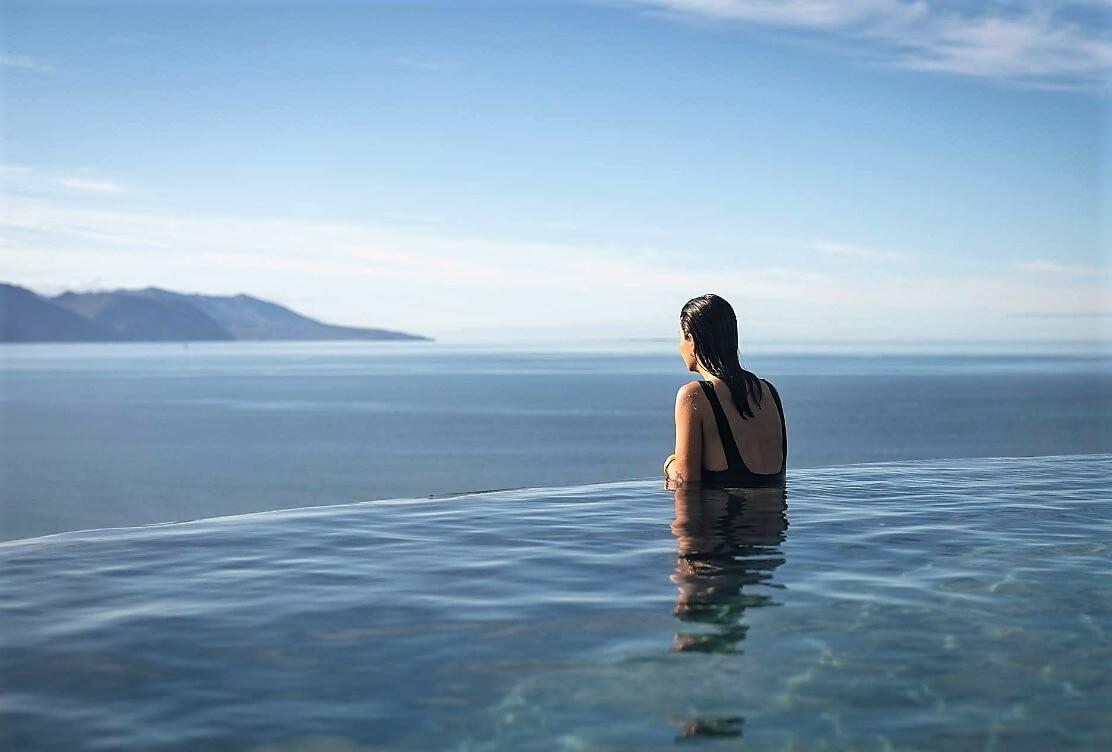
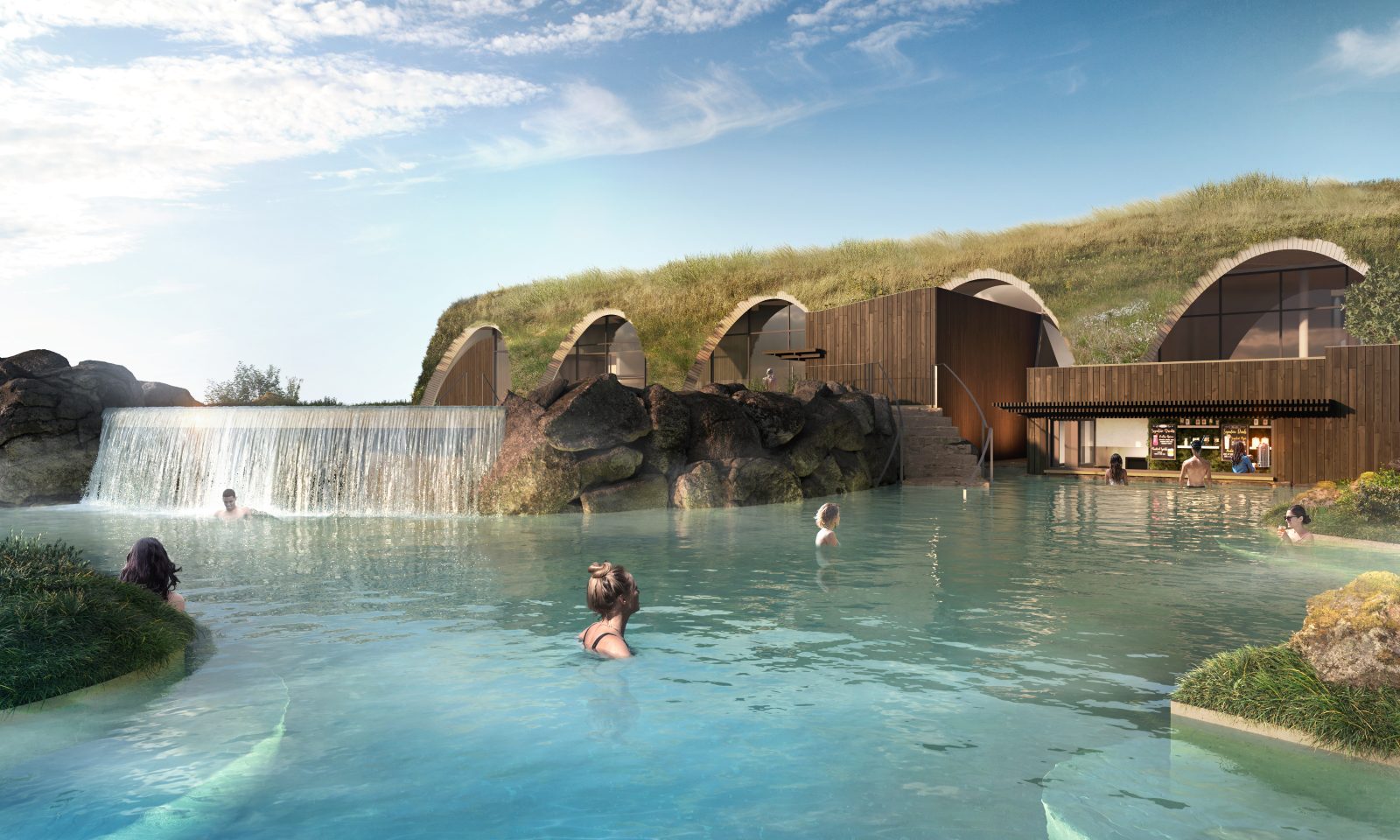
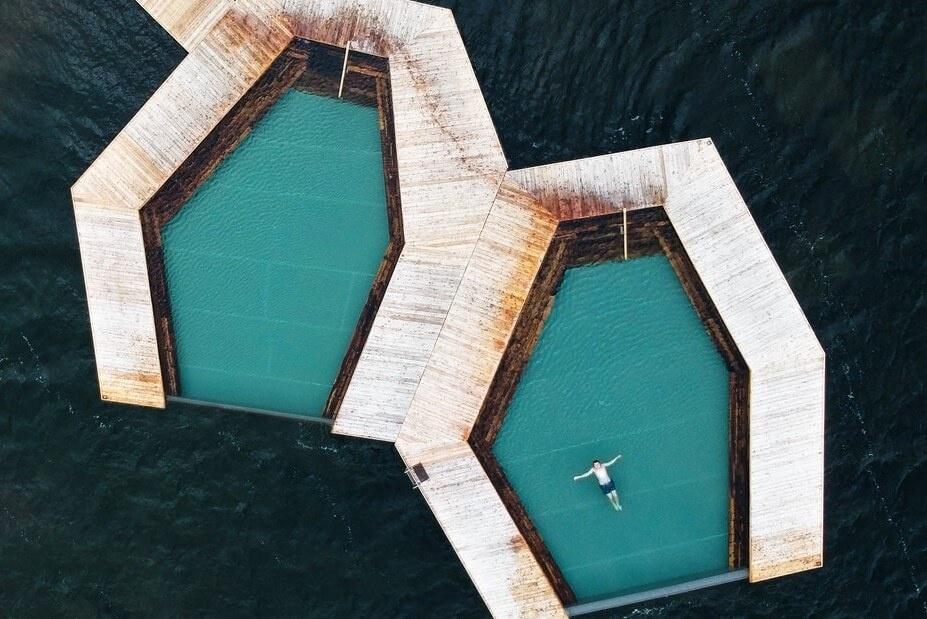
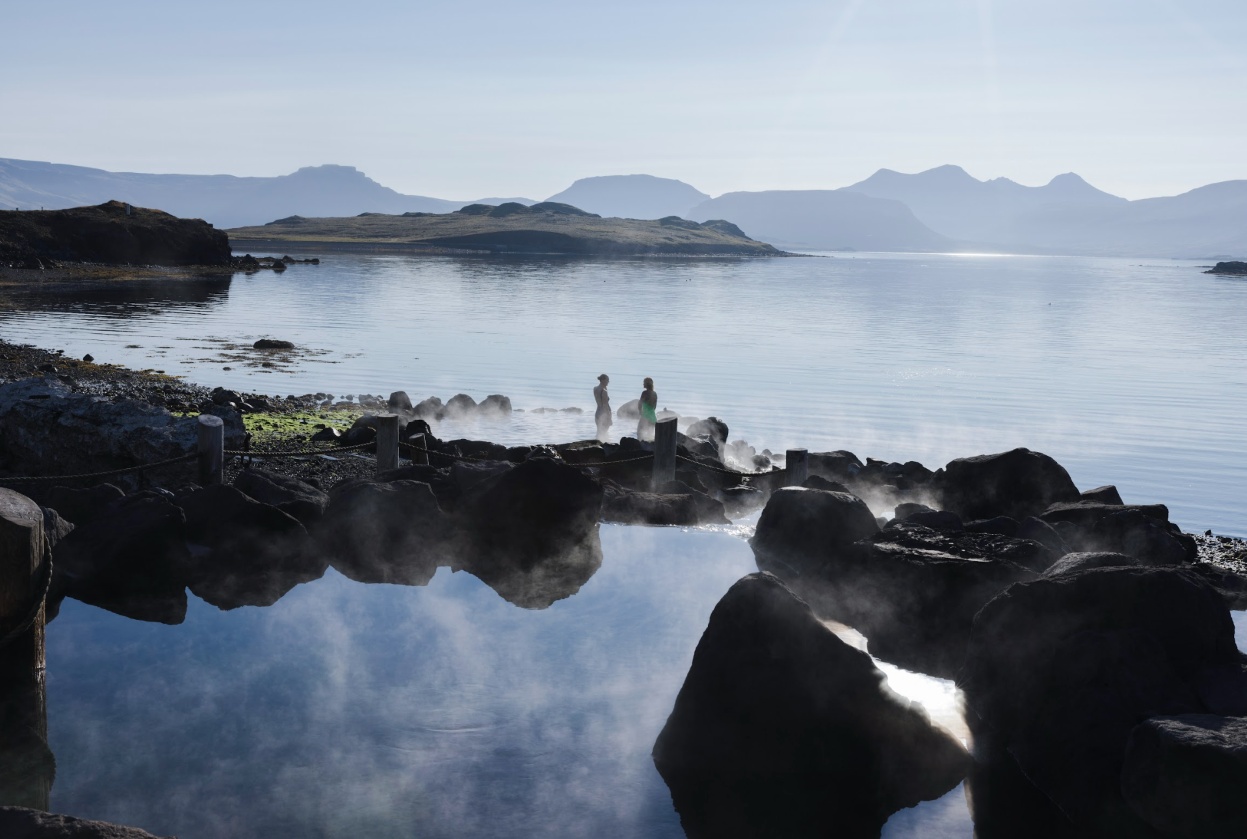
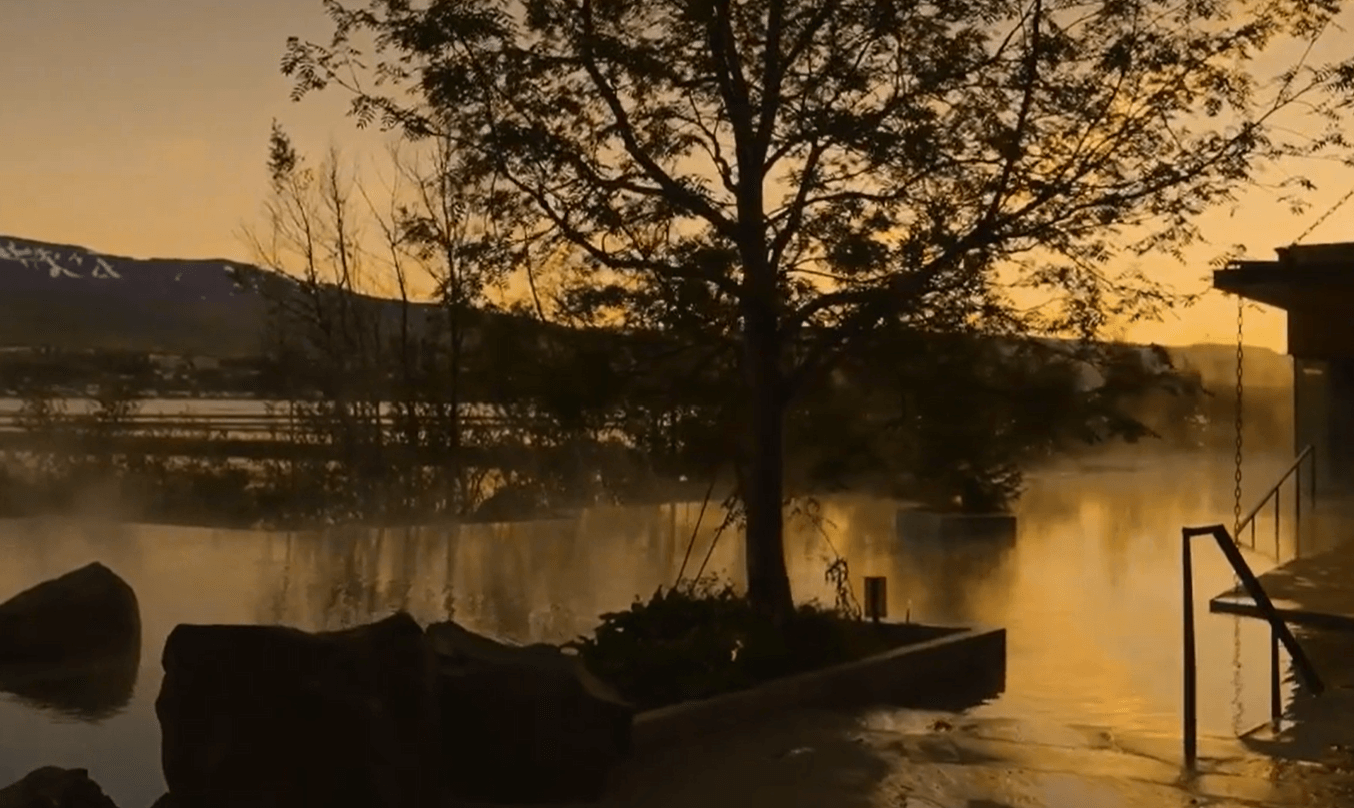
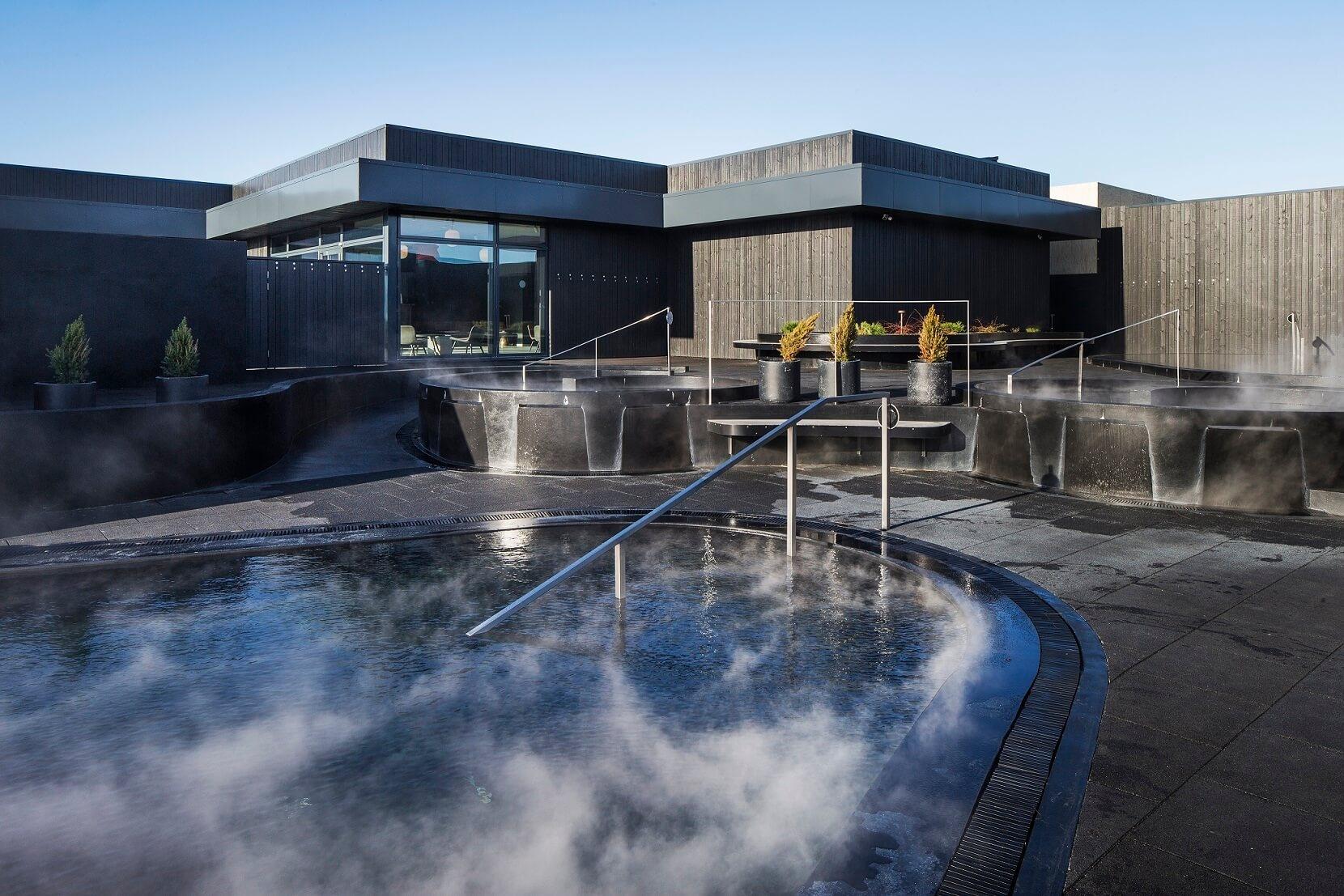
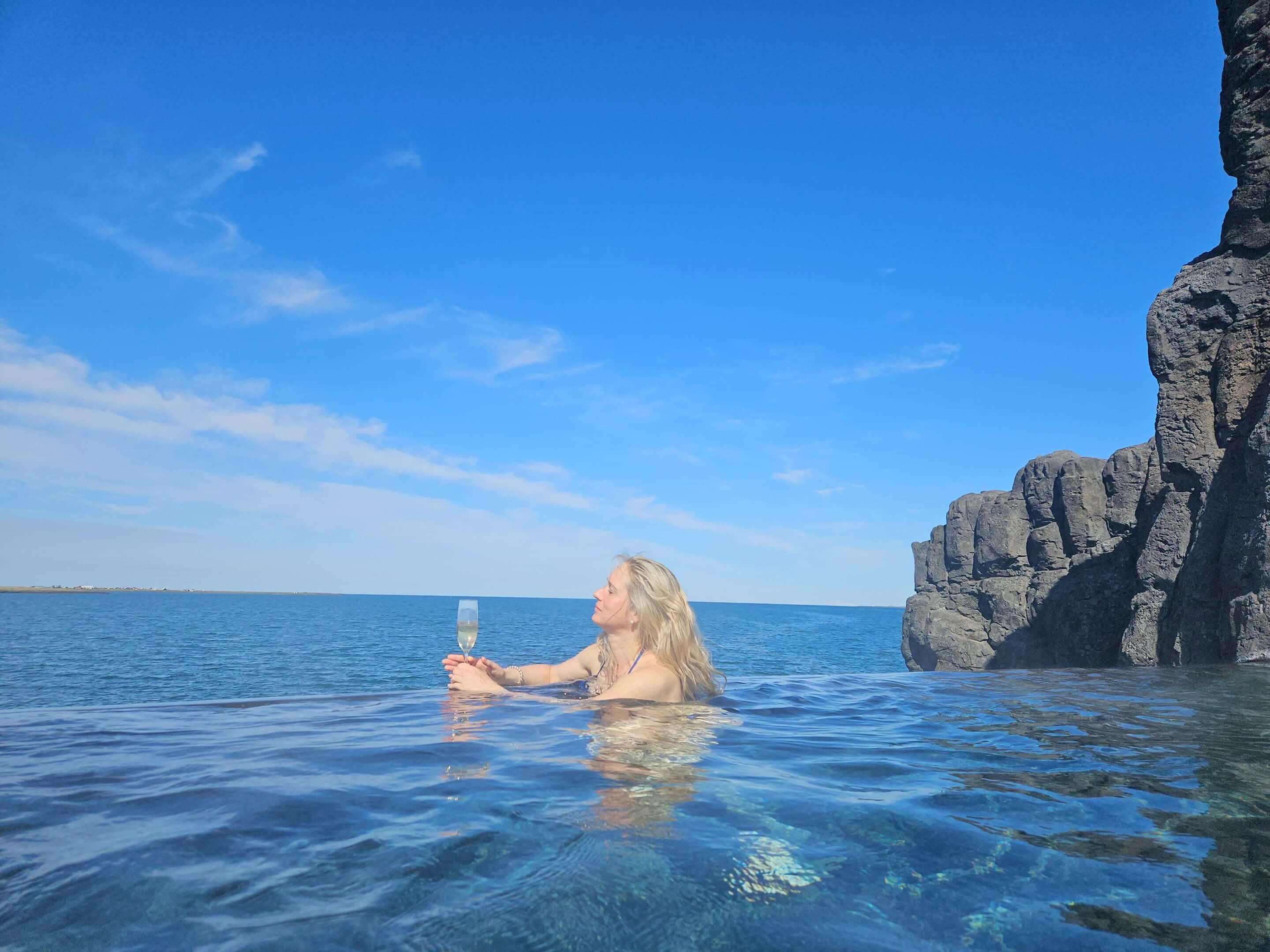
If you are looking for other bathing opportunities, click on the image of "Iceland Spas". There you can find all the information and reserve your ticket for other thermal baths such as those in Laugarvatn Fontana (they are also included in one of the combined tours we offer with the Golden Circle) or the new baths connected to the Deildartunguhver springs called Krauma. You can also take advantage of the official thermal pools or natural pools scattered throughout the island.MOST IMPORTANT LAGOONS AND HOT SPRINGS IN ICELAND
Blue Lagoon in Iceland
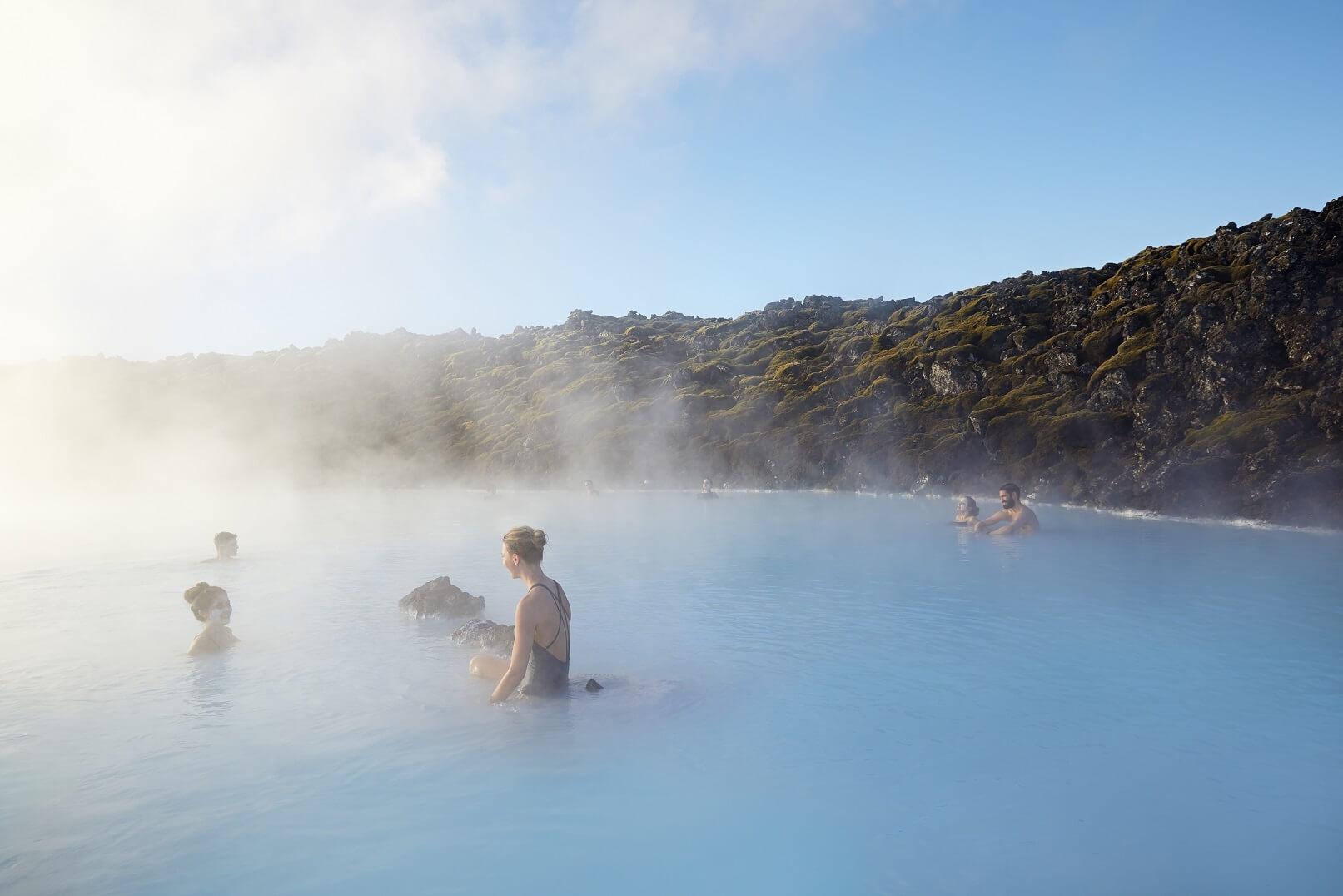
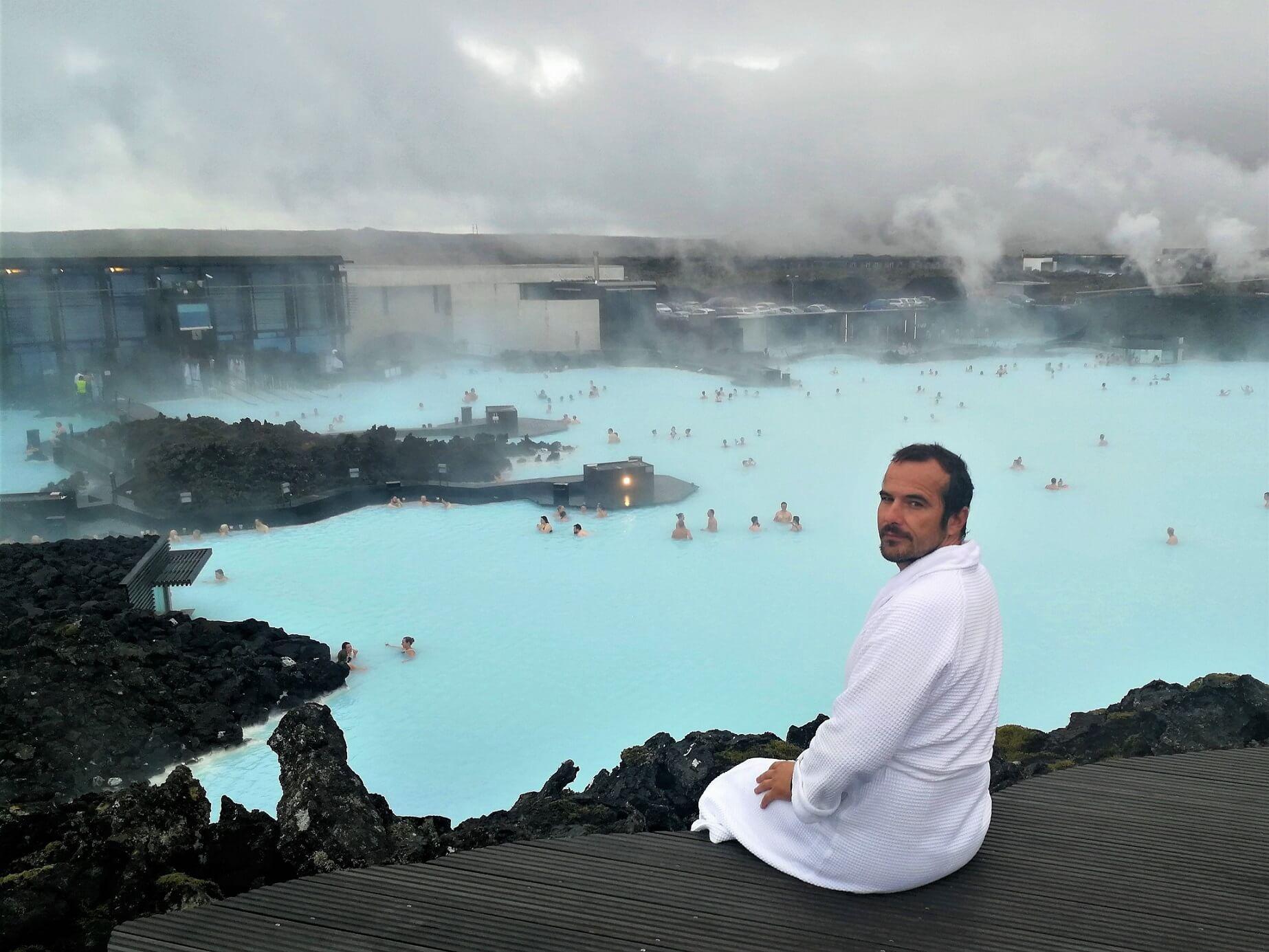
The Blue Lagoon is the most famous geothermal spa in the world. It is located on the Reykjanes peninsula, 39 Kilometers from Reykjavík and very close to Keflavík International Airport. Known as the Blue Lagoon in English, the lagoon is recognized worldwide thanks to the medicinal and healing properties of its geothermal waters. The water enjoys pleasant temperatures, with an average of 37-39 ° C / 98-102 ° F, perfect for enjoying a dream bath. Thanks to its properties and the algae found in it, the lagoon water purifies and destroys the contaminating bacteria that bathers might bring.
Jökulsárlón Glacier Lagoon
Jökulsárlón Glacier Lagoon is located at the southern end of Vatnajökull Glacier, between Skaftafell National Park and the city of Höfn. The glacial lagoon comes from one of the shortest glacial rivers in Iceland, which at its mouth creates a lagoon that ends in the Atlantic Ocean. The beauty of the lagoon is unmatched since in it you can see the floating icebergs that detach from the Vatnajökull glacier, forming a unique landscape.
In 1975 the lagoon grew to 18 km2 and today it has a maximum depth of about 160 meters, making it one of the deepest lakes in Iceland. Its surface is at sea level, so, at high tide, the sea water enters the lagoon. Glacier ice is over 1,000 years old.
Fjallsárlón Glacier Lagoon
The Fjallsárlón Glacier Lagoon is also located at the southern end of the Vatnajökull Glacier. Thanks to its smaller size, it is less crowded than the Jökulsárlón glacier lagoon, but no less spectacular. It occupies about 4 square kilometers, the most prominent being the powerful glacier behind it, where we can see the Öræfajökull volcano; and, of course, the icebergs that drift above it. Its beauty has nothing to envy to the Jökulsárlón lagoon, being the preferred place of many people who opt for greater tranquility without giving up spectacular views.
Mývatn natural baths
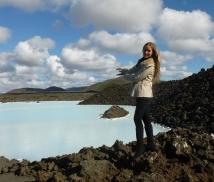
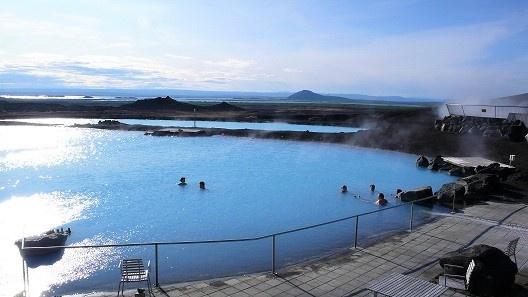
The Mývatn Thermal Lagoon is located in northern Iceland, in the immediate vicinity of Lake Mývatn, famous for the numerous volcanic formations found both on and around its banks, giving rise to a fascinating landscape. Mývatn's natural baths contain around 3.5 million liters of water with a temperature of 36 - 40 ° C, ideal for bathing.
The lagoon itself is a man-made construction, with its underside covered in sand and gravel. The characteristics of the water are unique in many ways and it has nothing to envy of the famous Blue Lagoon. It contains a large amount of minerals, it is alkaline and very suitable for bathing. With fewer tourists and being cheaper than the Blue Lagoon, it is an ideal option for those who want to take a dip in the middle of nature while watching the sunset in Iceland.
The Golden Circle's Secret Lagoon - Gamla Laugin in Fludir
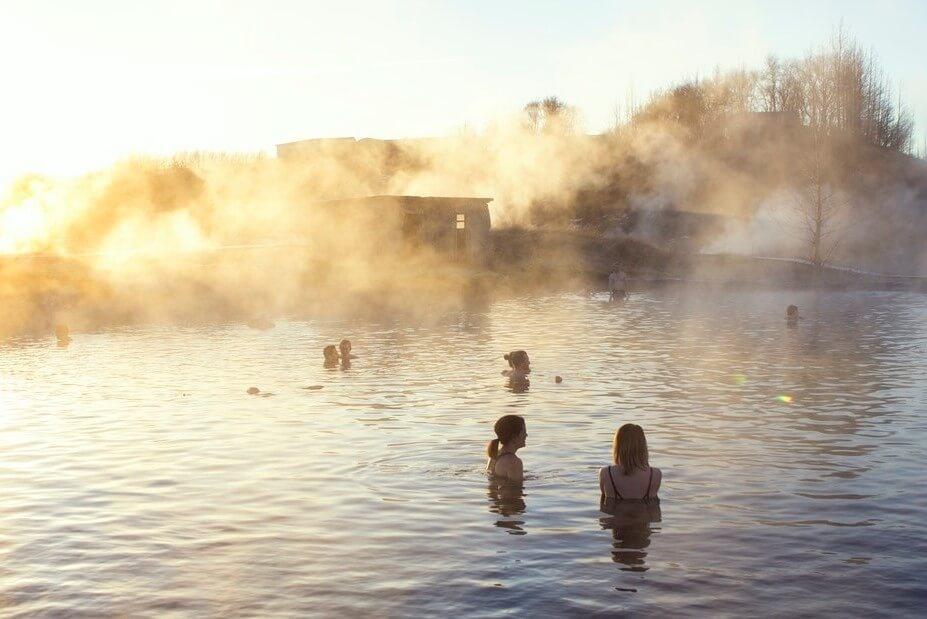
The Golden Circle's Secret Lagoon is one of the oldest natural geothermal pools in Iceland and boasts stunning views. These natural hot springs are located in the small town of Fludir, in the area of the Golden Circle. The landscape and waters have remained intact since the lagoon was created in 1891, making it ideal for getting to know the feel of the true Iceland. The natural surroundings of the pool and the steam that rises into the air give the place a magical feeling. The water stays at 38-40 degrees Celsius throughout the year and throughout the area we can find different geothermal points, in addition to a small Geysir that erupts every 5 minutes, making it the perfect show for those who are bathing in the lagoon.
Important Note: Excursions, trips, tours and tickets to the lagoons of Iceland are activities carried out under the responsibility of the clients. ICELAND s.r.o. is not responsible for possible accidents that may occur or be caused by the participants during the activities or by their actions or nature in Iceland. People who participate in these outings accept these conditions. You may be required to sign an exemption before the waivers are made, stating that you are aware that all outdoor activity in Iceland carries an inherent risk.- ID810
UNFORGETTABLE TRIP TO SEE THE VOLCANO AREA AND NORTHERN LIGHTS
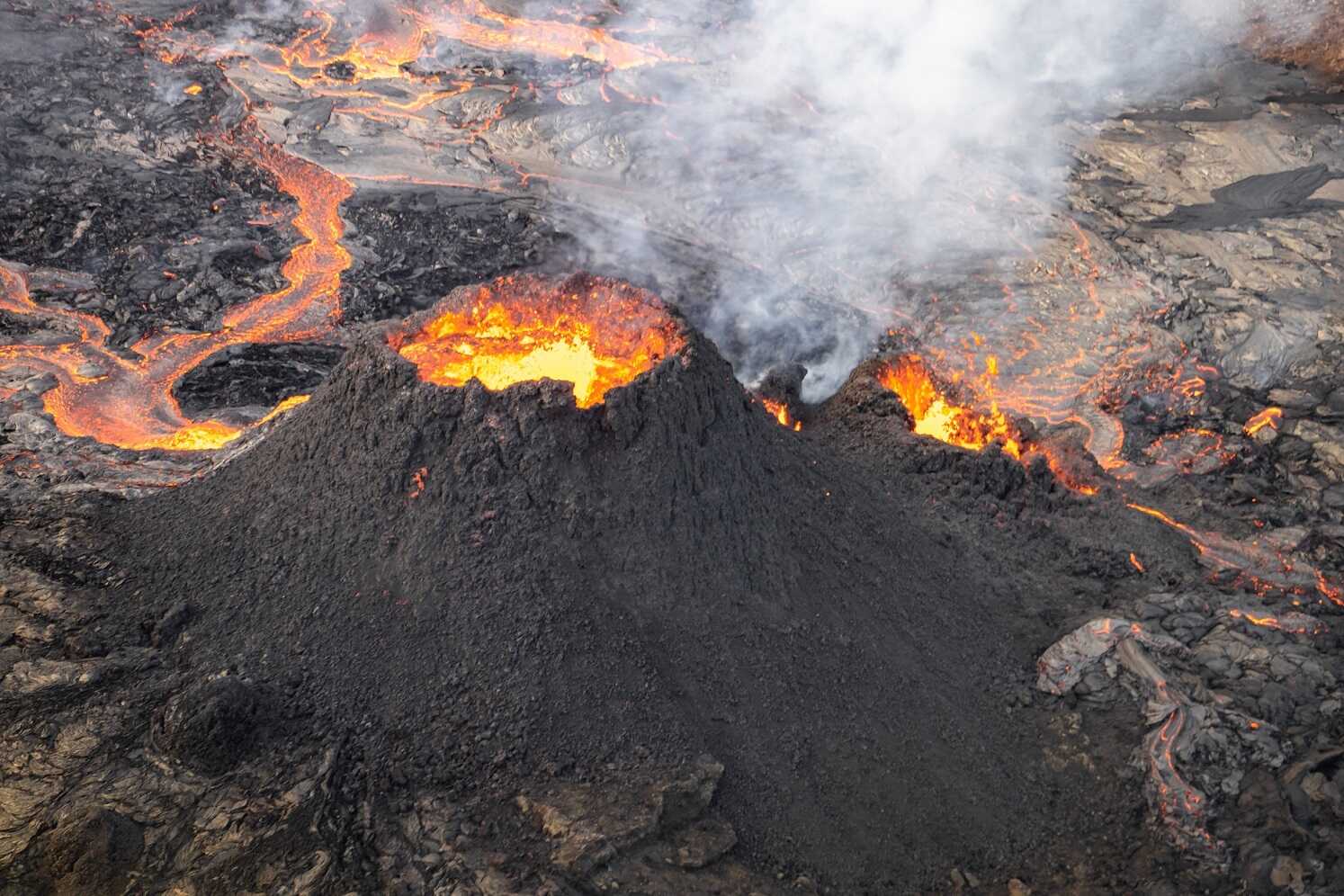
Discover Iceland’s most popular sights this season – NORTHERN LIGHTS AND THE ERUPTION AREA – DEPARTURE DECEMBER 2025!
This trip is carefully prepared by our professional guides so you can enjoy each site at your own pace, without any worries. Stay in quality hotels we personally know in the island’s most spectacular locations. A rental car with premium insurance and a detailed itinerary with reserved entrances and a recommended hour-by-hour program are all included. A dream trip awaits you. We have only 10 spots left – book now!
RESERVE YOUR TRIP – DEPARTURE DECEMBER 2025: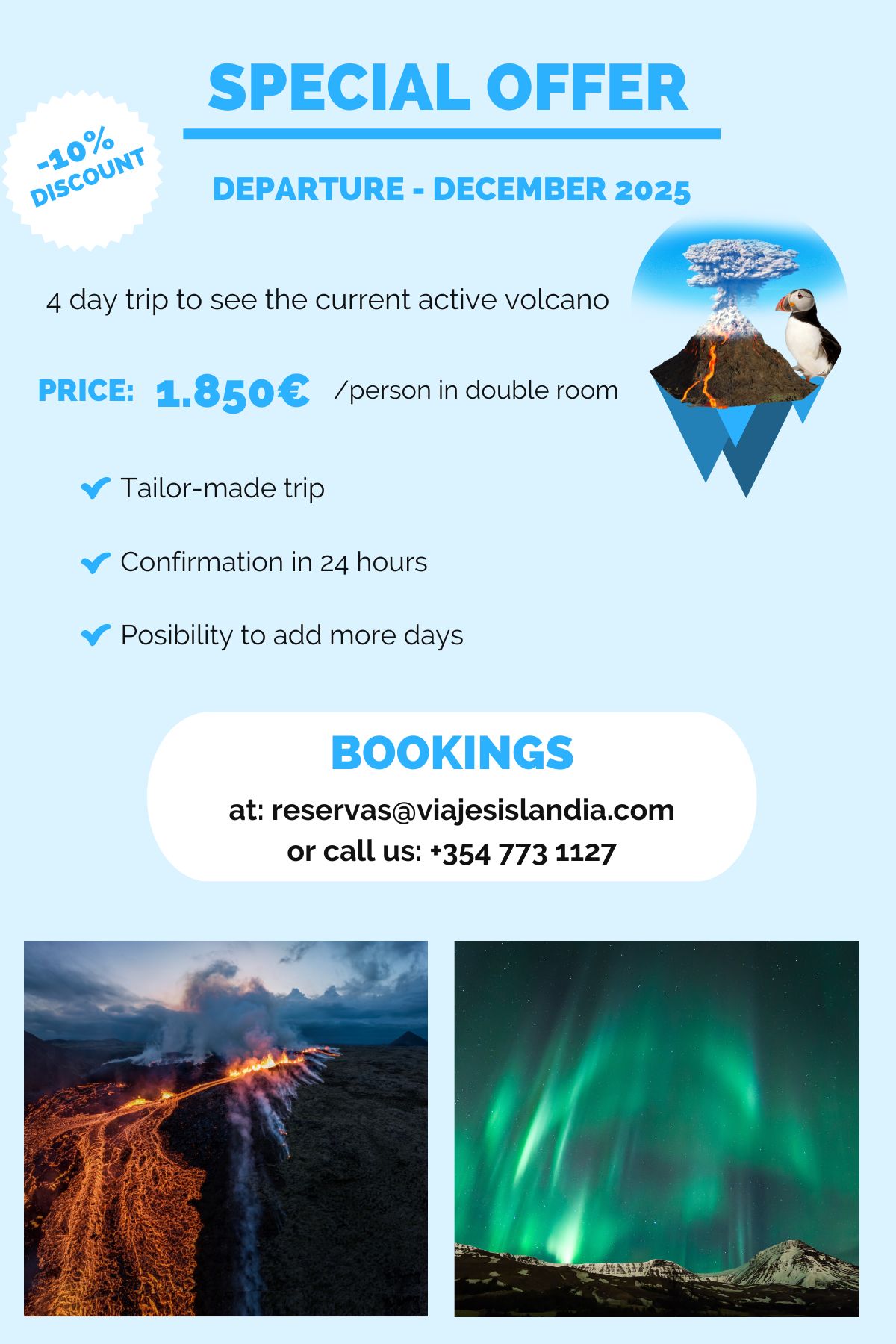
5-DAY TRIP TO SEE THE NORTHERN LIGHTS AND ERUPTION AREA IN ICELAND
The trip departs in December 2025, but you may also arrive a few days earlier, and we will tailor the itinerary to your needs. If you wish to stay one or two extra nights before or after the trip, that is no problem. Simply send us your flight details. Your booking will be confirmed within 24 hours with a customized itinerary. Price is per person in a double room.
DETAILS OF THE TRIP VOLCANO AND NORTHERN LIGHTS - 5 DAYS:
Dates: 10 – 14 December 2025
Duration: 4 nights / 5 days (with possibility to add more)
Price includes: Carefully prepared trip, 4 nights in quality hotels 3★–4★, Icelandic buffet breakfast, Kia Ceed rental car with unlimited mileage and superior insurance for 5 days, Northern Lights excursion with local guide and English audioguide, earthquake simulation, entrance to the Lava Cinema, Comfort tickets to the Blue Lagoon, tailor-made itinerary, detailed Iceland map with personalized route, local VAT.
Route: Keflavík – Reykjanes eruption area – Reykjavík – South Coast of Iceland and its natural wonders – Vatnajökull glacier – Jökulsárlón lagoon and Diamond Beach – Vík – Reynisfjara – Skógar – Reykjavík – Keflavík.
Optional: Whale watching, guided tour of the eruption area
ITINERARY OF THE TRIP NORTHERN LIGHTS AND Y ERUPTION AREA IN ICELAND
DAY 1: ARRIVAL TO ICELAND
Arrival at Keflavík International Airport and vehicle pick-up directly at our rental office. The process is quick with your voucher. The car includes unlimited mileage and superior insurance. You may upgrade to a 4x4 for an additional supplement.
The entrance to the Blue Lagoon is included. Depending on your flight schedule, you can visit it on arrival day (located 20 minutes from the airport) or on your departure day.
Eruption area visit: depending on your arrival time and eruption conditions, options include visiting the site independently (following official instructions on www.safetravel.is), taking a helicopter flight over the volcano (book in advance here: https://viajesislandia.com/en/volcano-eruption-iceland-helicopter-tour), or joining one of our guided tours later in the trip.
Arrival in Reykjavík and overnight in a centrally located 3★ hotel we know personally, close to restaurants and shops.
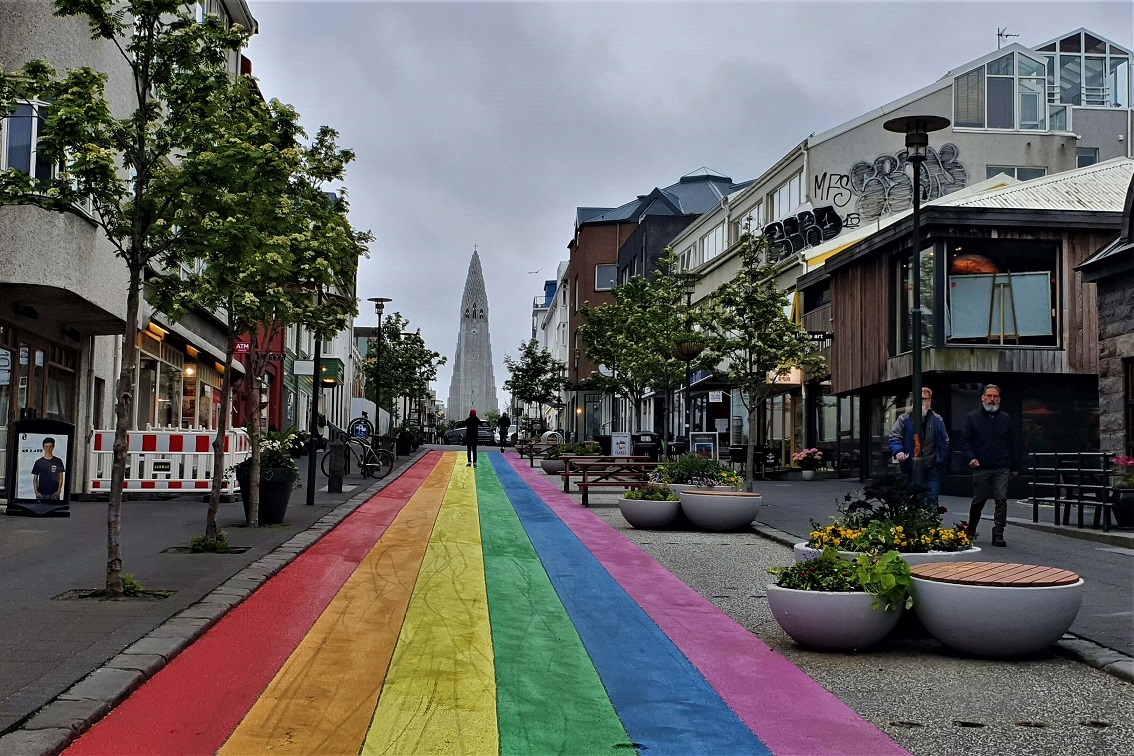
DAY 2: GOLDEN CIRCLE
Breakfast buffet at the hotel. Explore Iceland’s most iconic route: Þingvellir National Park (historic parliament site and rift valley), the geothermal area of Haukadalur with the famous Strokkur geyser, and the powerful Gullfoss waterfall.
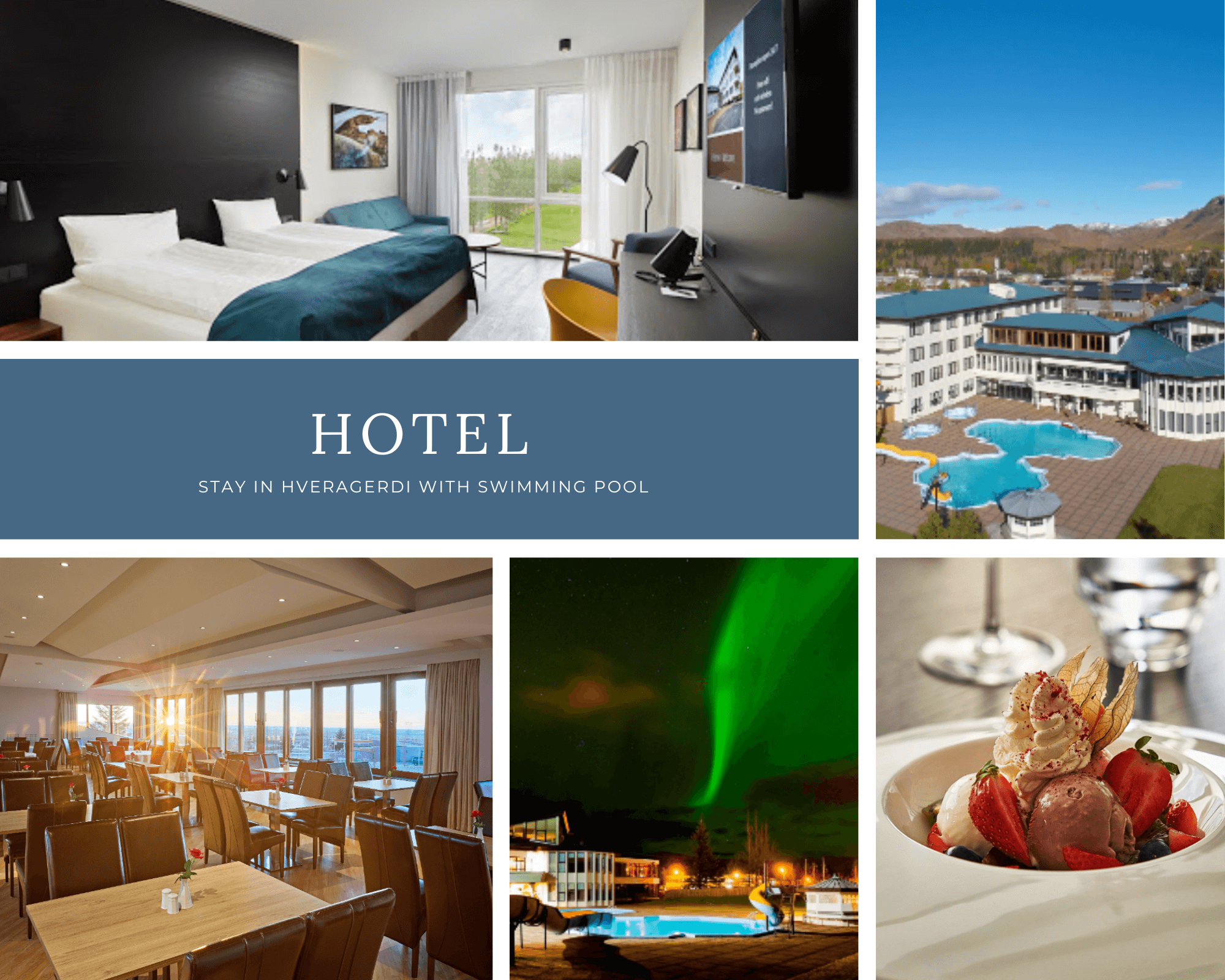
Accommodation tonight in Hveragerði, a charming hot springs town. Your hotel features thermal pools, sauna, and jacuzzi.
DAY 3: SOUTH COAST COAST OF ICELAND
Breakfast buffet at the hotel. Travel along Iceland’s South Coast with its iconic volcanoes, waterfalls, and beaches. Highlights include Seljalandsfoss with its hidden “sister” waterfall, the mighty Skógafoss, Eldhraun lava fields, and the dramatic Reynisfjara black sand beach with basalt columns.
Overnight near Vatnajökull glacier. The hotel offers glacier views from the dining room and some rooms. If skies are clear, it is also an excellent location to observe the Northern Lights.

DAY 4: VATNAJOKULL
Breakfast buffet at the hotel. Visit Jökulsárlón Glacier Lagoon and Diamond Beach or explore Skaftafell National Park with its impressive glacier tongues.
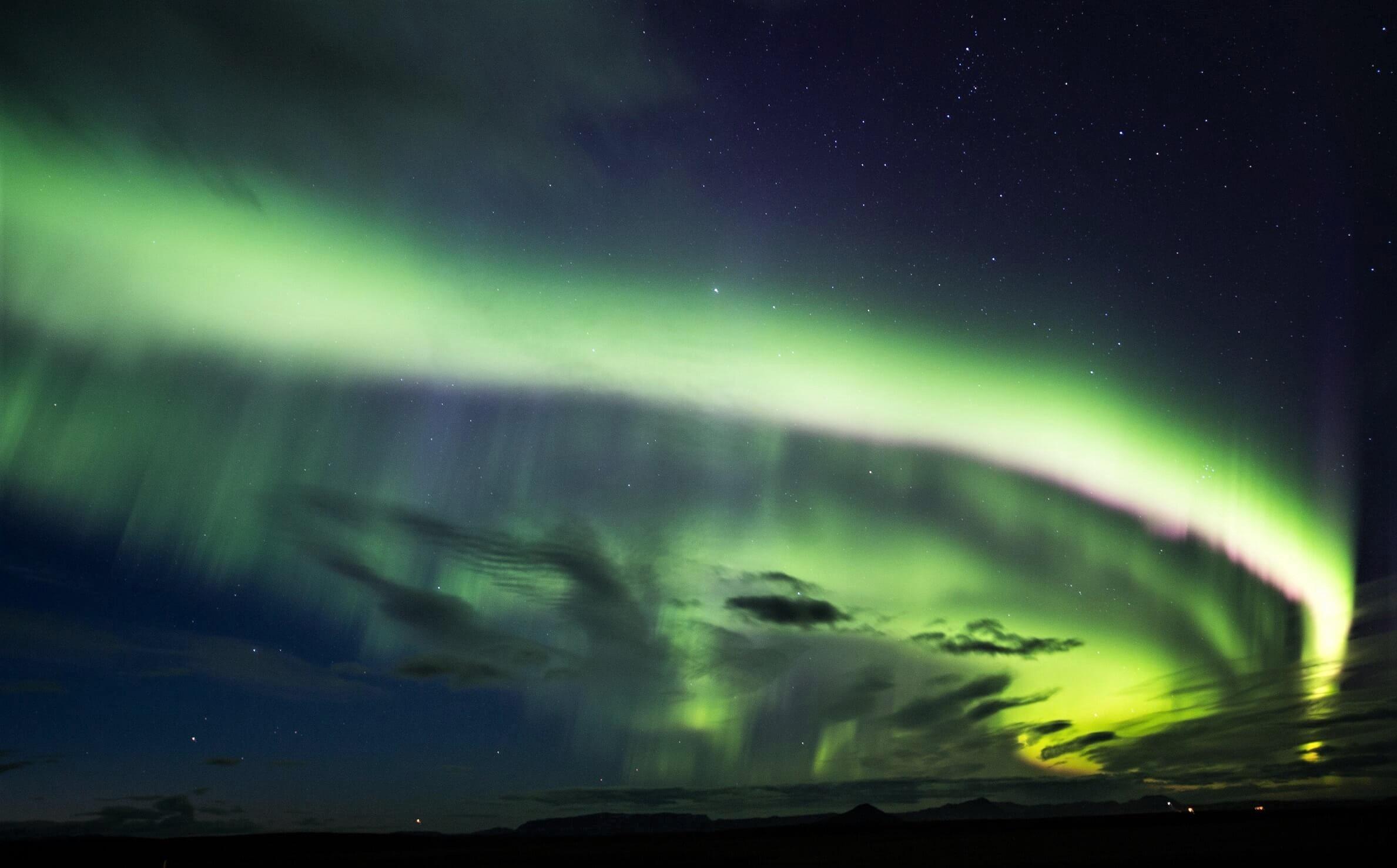
Return journey to Reykjavík with time to stop at Vík and its bird cliffs. In the evening, enjoy a Northern Lights excursion with local guide departing from the capital.
Overnight in Reykjavík city center.
DAY 5: REYKJAVÍK, THE CAPITAL - KEFLAVÍK
Breakfast buffet at the hotel. Depending on your flight schedule, explore the Reykjanes peninsula with geothermal landscapes and the current eruption site. Visit the Blue Lagoon if not already done.
Return your vehicle at Keflavík International Airport. End of services.
If your schedule does not allow enough time to enjoy the Blue Lagoon or eruption area, we recommend adding an extra night before departure
Note: The trip is already booked, so the client will receive confirmation within 24 hours after making the payment deposit. To confirm the trip a 15 % deposit payment is requested through a secure credit card link. The remaining payment is made by invoice through a bank transfer. Note that the trip is not guided but you have an itinerary from our guides that you will follow with the rental car and reserved services. Spots on this special trip are limited. Trip code: ICE-SEPT10, ID985.
Volcano area and northern lights in Iceland
BEST TIME TO VISIT ICELAND: Month-by-Month Guide
Choosing the best time to visit Iceland depends on what you want to experience: the Northern Lights, puffin colonies, road trips around the Ring Road, or long summer days under the midnight sun. Weather, daylight hours, road conditions, and costs vary dramatically throughout the year.
This guide provides a month-by-month breakdown, with details on daylight, temperatures, road openings, seasonal activities, and travel costs. You will also find information about regional weather differences, wildlife watching (puffins, whales), Northern Lights probability, and packing recommendations.
Month-by-month breakdown
- January
Weather: Coldest month, average temps -1°C to 3°C.
Daylight: 4–7 hours.
Highlights: Northern Lights, ice caves, glacier hikes.
Travel tips: Roads icy—4×4 recommended.
Recommended tour: Ice Cave & Glacier Hike from Skaftafell
– January is peak season for exploring natural ice caves in Vatnajökull, as they are most stable and accessible.Why it’s best: Short days make it easy to combine ice caves with nighttime aurora hunting. 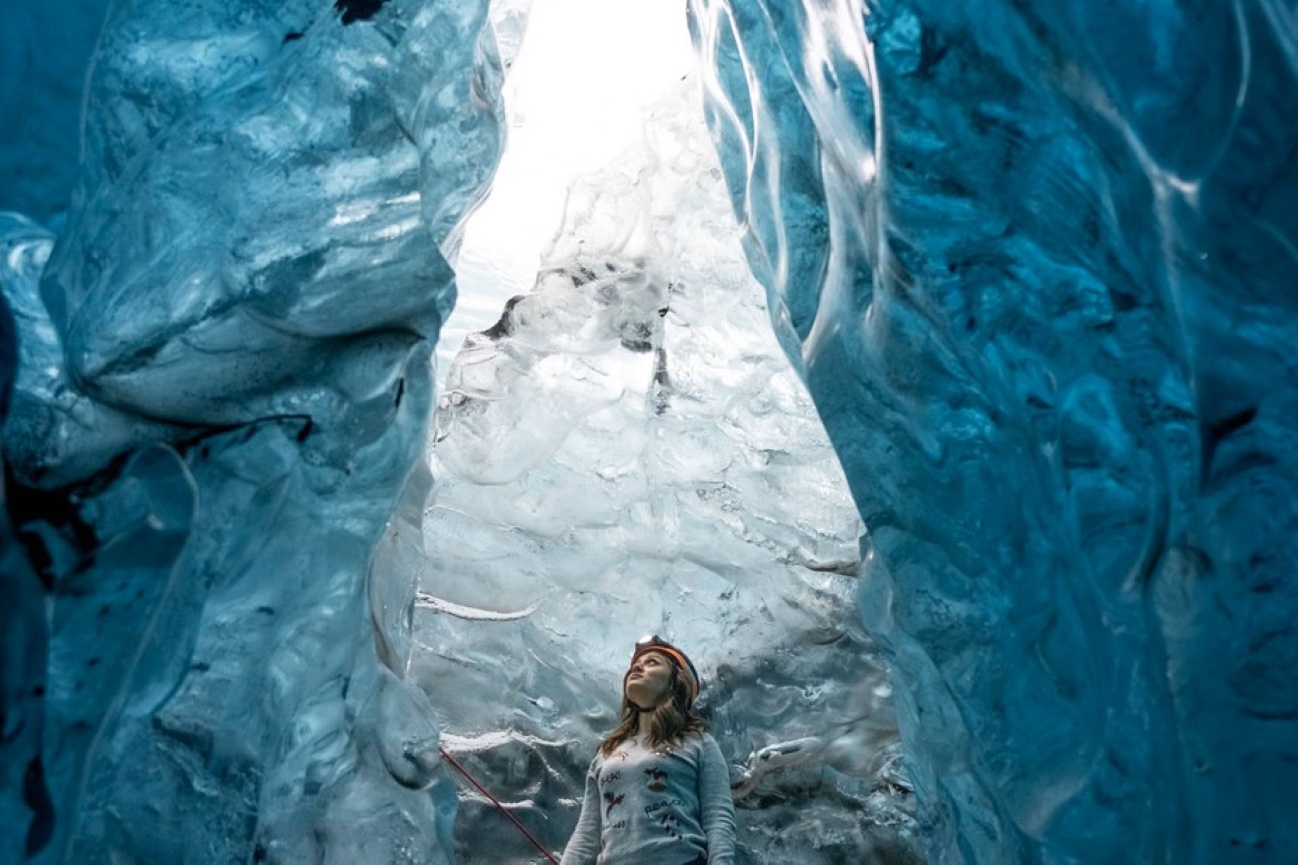
February
- Weather: Similar to January, with more storms.
Daylight: 7–10 hours.
Highlights: Winter festivals in Reykjavík, Aurora hunting, snow activities.
Travel tips: Still off-season, lower prices.
Recommended tour: Northern Lights Bus Tour from Reykjavík
– Clear winter nights offer the best chances for seeing the aurora.Why it’s best: February’s mix of festivals and auroras makes it one of the most atmospheric months.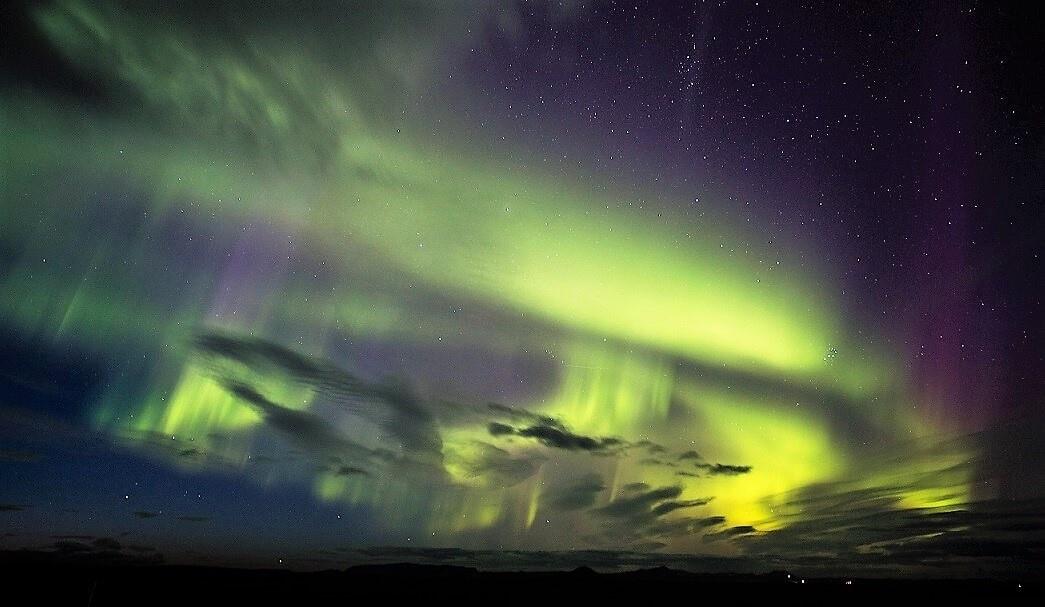
March
Weather: Cold but improving, 0°C to 4°C.
Daylight: 10–13 hours.
Highlights: Longer days, Northern Lights still visible, start of spring vibes.
Travel tips: Good balance of light + auroras.
Recommended tour: Golden Circle & Secret Lagoon
– March offers a balance of daylight for sightseeing and the chance to end the day soaking in warm geothermal waters.Why it’s best: More daylight hours mean you can explore longer without losing the magic of auroras.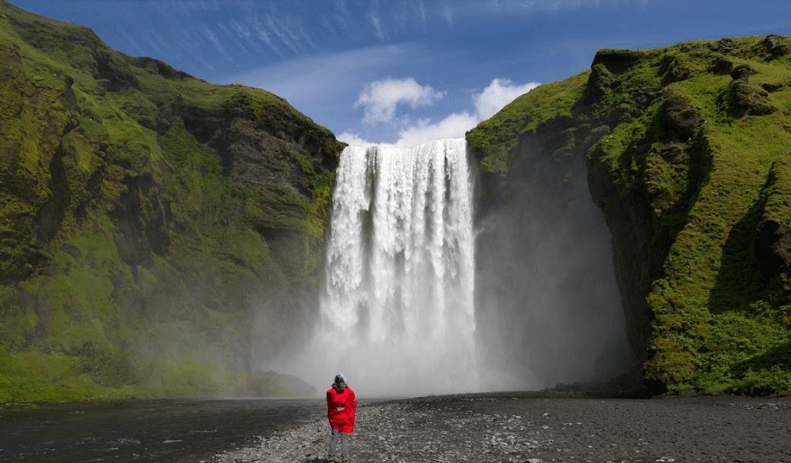
- April
Weather: 2°C to 7°C, snow melting.
Daylight: 13–16 hours.
Highlights: Puffins return, waterfalls at full power, Easter events.
Travel tips: Shoulder season = fewer crowds.
Recommended tour: South Coast Waterfalls & Black Sand Beach
– In April, waterfalls like Seljalandsfoss and Skógafoss roar with meltwater, offering spectacular views.Why it’s best: Shoulder season means fewer crowds and dramatic spring landscapes.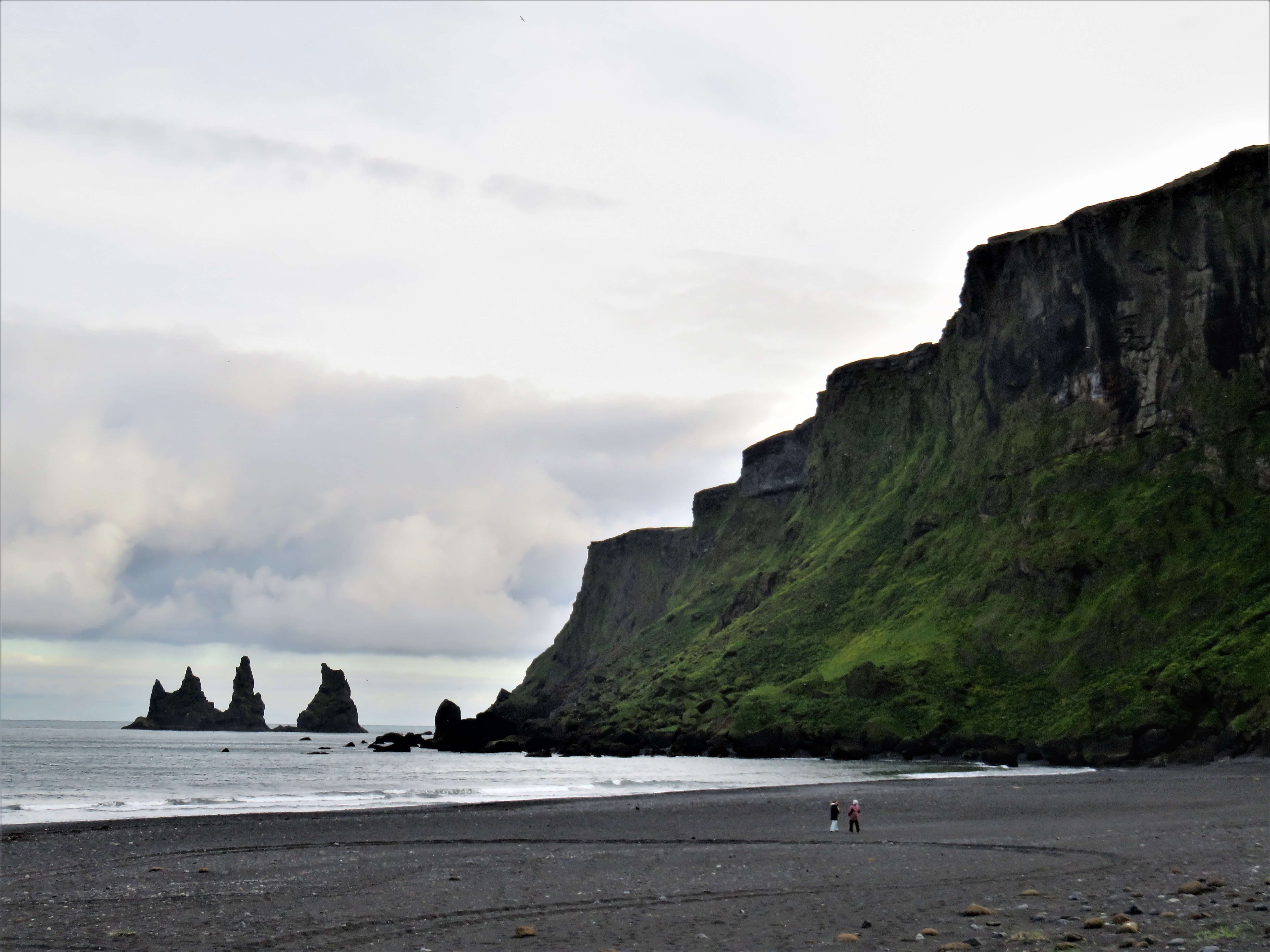
May
Weather: Mild, 5°C to 10°C.
Daylight: 16–20 hours.
Highlights: Blooming landscapes, wildlife watching, first highland roads open.
Travel tips: Ideal for road trips before peak summer.
Recommended tour: Snæfellsnes Peninsula Day Trip
– May is perfect for exploring diverse landscapes without peak summer crowds.Why it’s best: Long daylight hours give you more time to explore in comfort.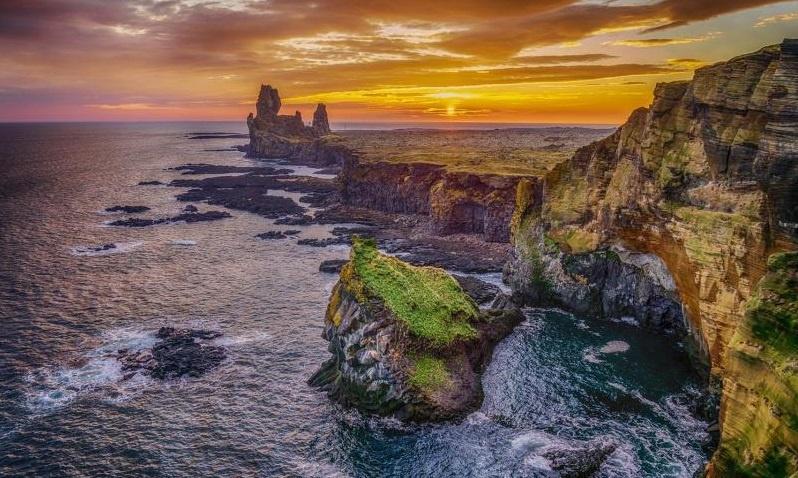
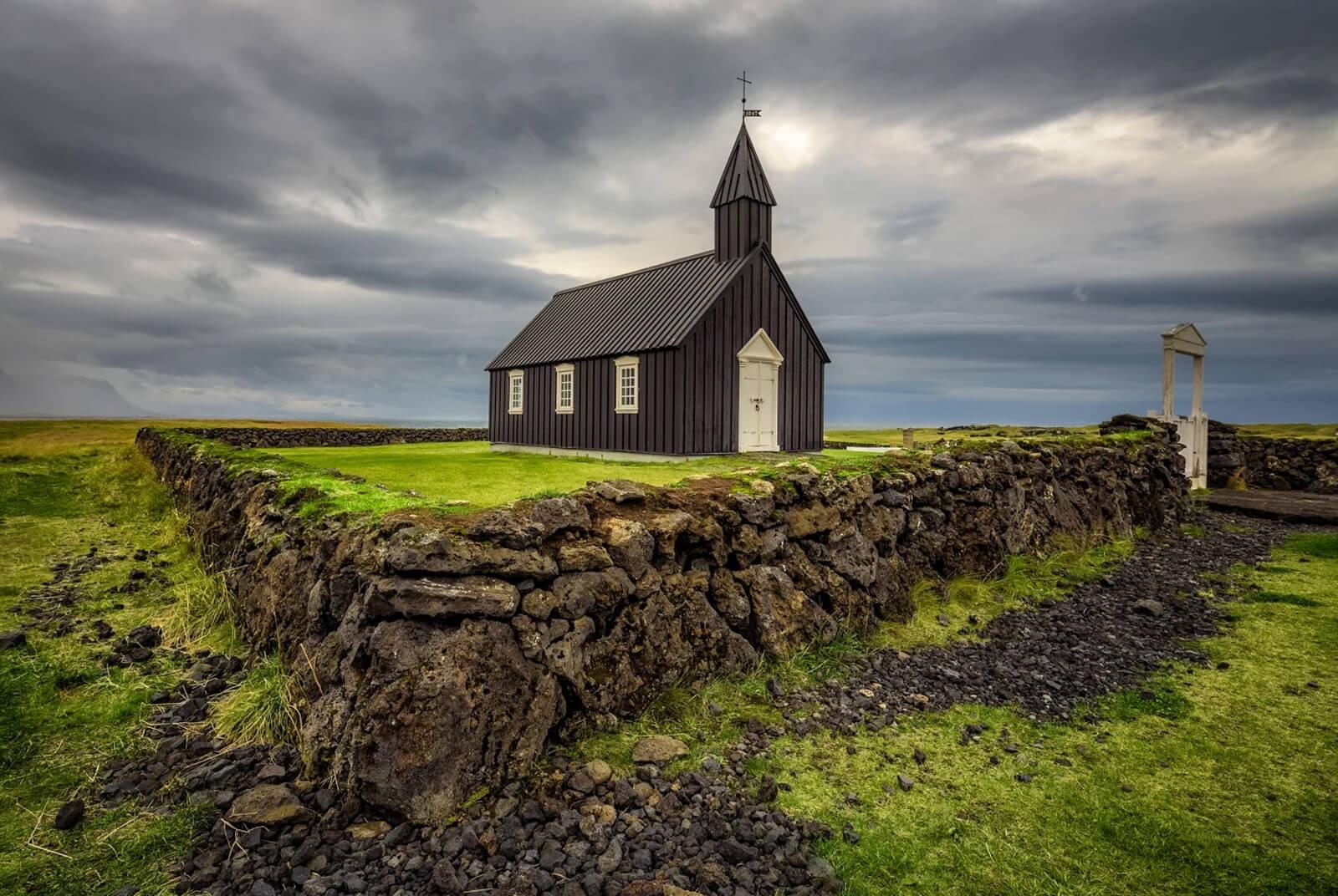
June
Weather: 8°C to 13°C
Daylight: 20–24 hours (midnight sun).
Highlights: Long days for hiking, whale watching, festivals.
Travel tips: Book early—summer season begins.
Recommended tour: Whale Watching from Reykjavík
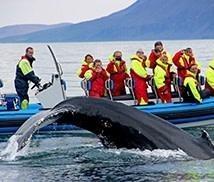
– June marks peak whale-watching season under endless daylight.Why it’s best: Midnight sun allows for unforgettable wildlife tours at almost any hour.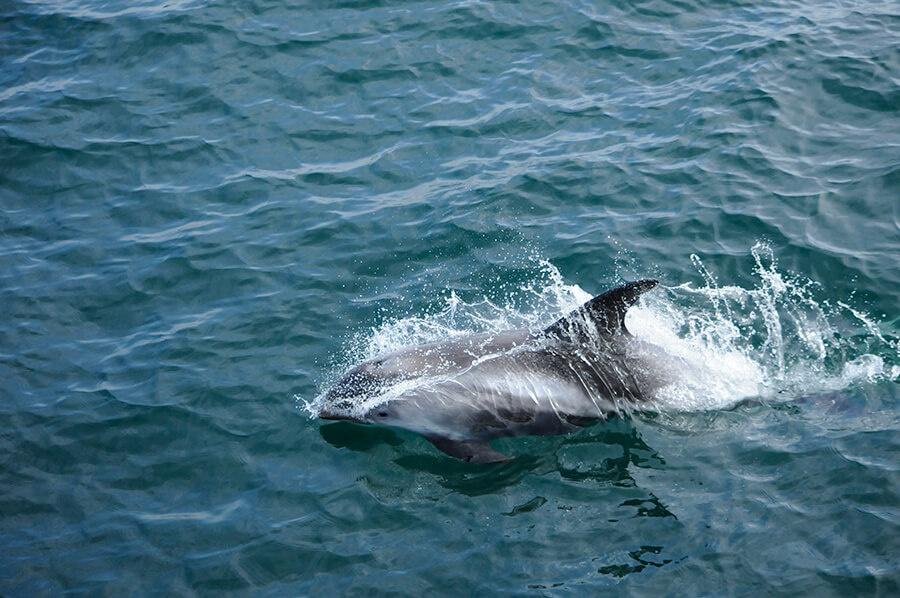
July
Weather: Warmest month, 10°C to 15°C.
Daylight: 18–21 hours.
Highlights: Peak travel season, camping, highland adventures.
Travel tips: Most expensive month; advance bookings essential.
Recommended tour: Landmannalaugar Highlands Day Trip
– July is the best time to access the colorful rhyolite mountains and hot springs of the Highlands.Why it’s best: Roads to the Highlands are fully open and landscapes are at their greenest.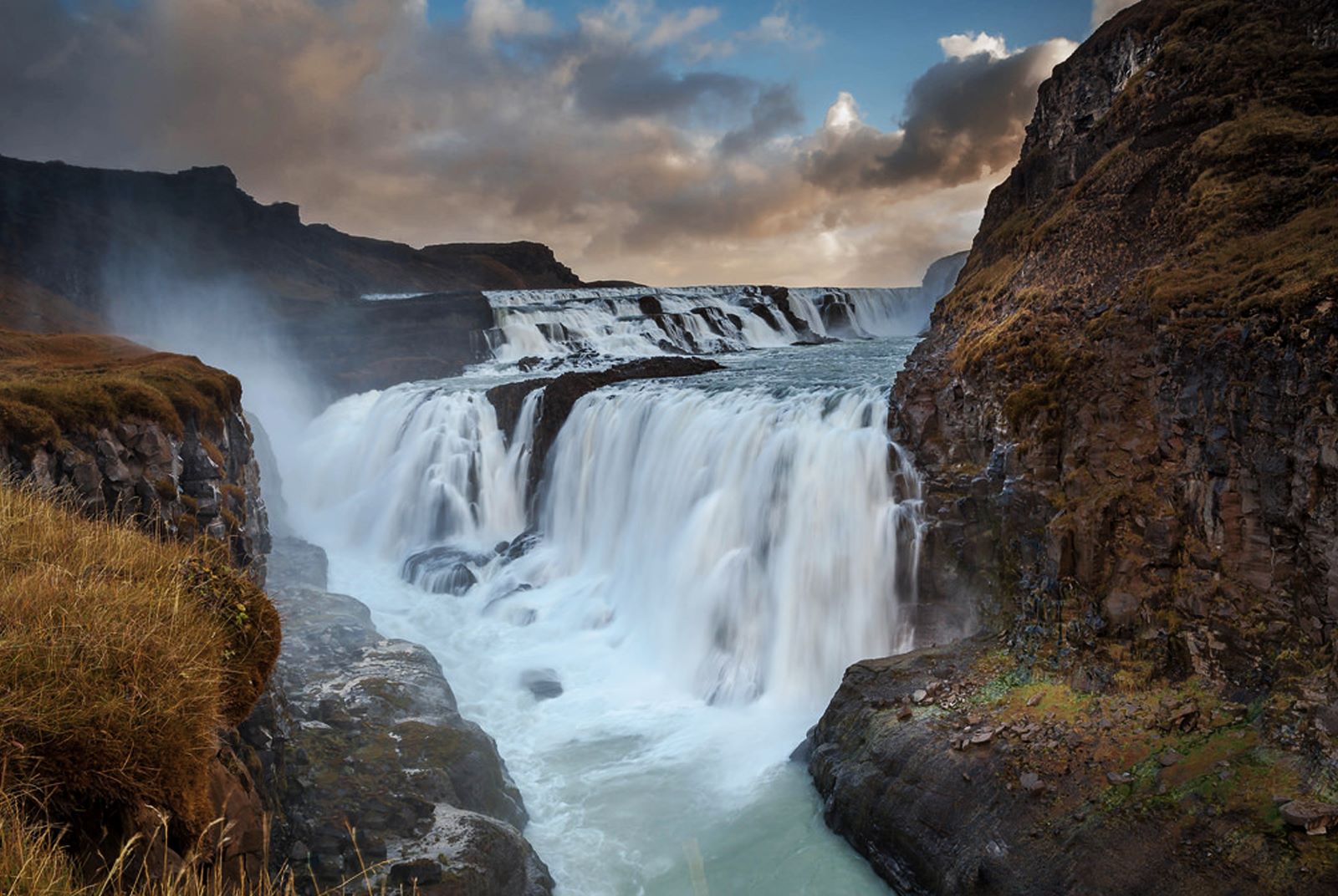
August
Weather: 9°C to 14°C.
Daylight: 15–18 hours.
Highlights: Puffins still around, highland trails open, harvest festivals.
Travel tips: Great for camping + hiking.
Recommended tour: Lake Mývatn from Akureyri
– August is the only reliable month to reach the remote interior safely.Why it’s best: Last chance to see puffins and enjoy the Highlands before winter closures.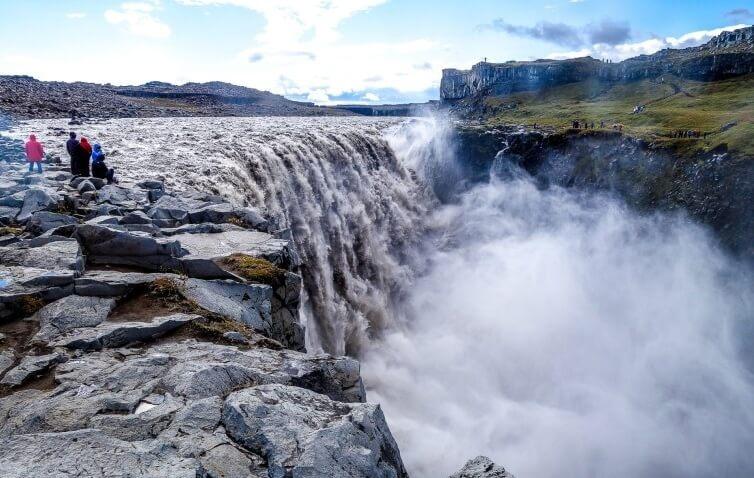
September
Weather: Cooler, 6°C to 11°C.
Daylight: 12–15 hours.
Highlights: Northern Lights season begins, autumn colors, cultural events.
Travel tips: Fewer crowds, lower prices than summer.
Recommended tour: Northern Lights Small-Group Tour
– September nights are dark enough for auroras while days remain mild for sightseeing.Why it’s best: A perfect balance of fewer tourists, lower prices, and magical autumn colors.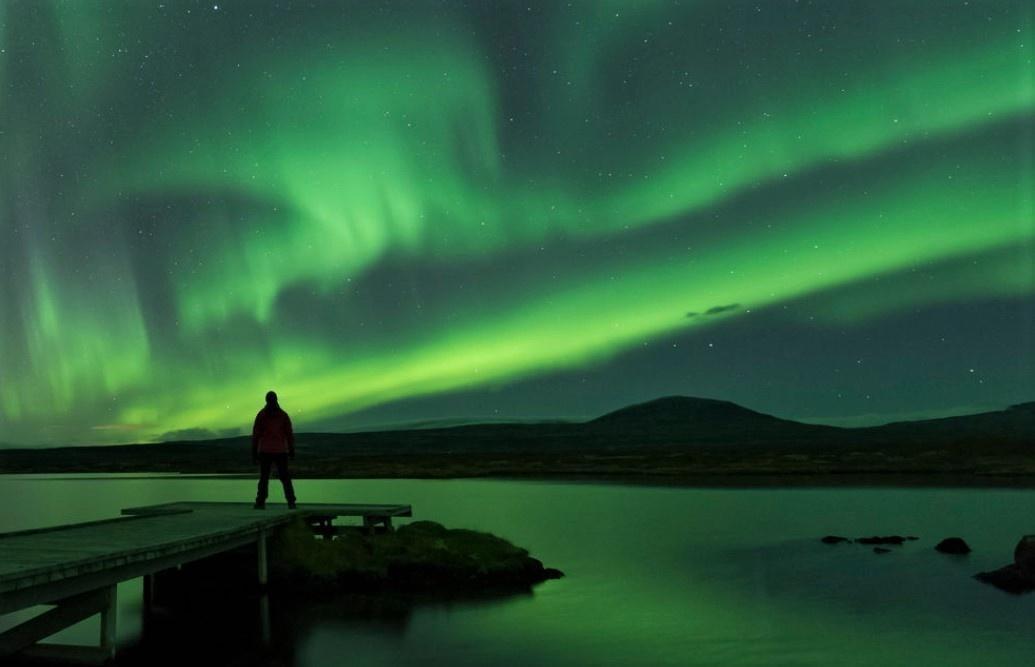
- October
Weather: 2°C to 7°C, stormy.
Daylight: 8–11 hours.
Highlights: Northern Lights, quieter sites, winter activities return.
Travel tips: Pack for unpredictable weather.
Recommended tour: Inside the Volcano – Þríhnúkagígur
– One of the last months to descend into a dormant volcano before the tour closes for winter.Why it’s best: Combines rare volcanic experiences with the return of auroras.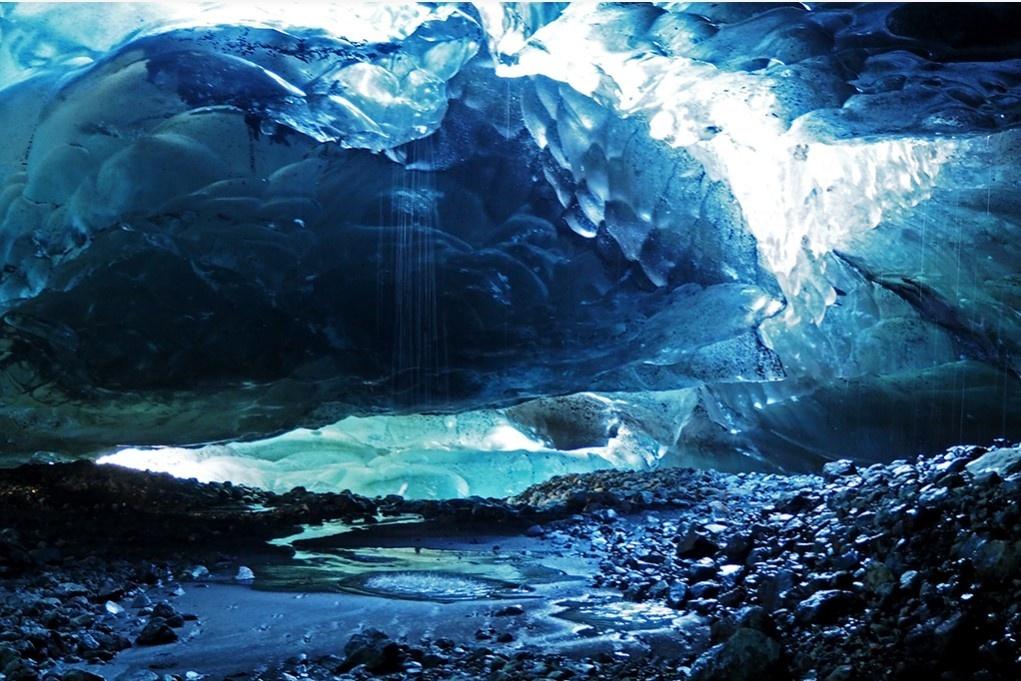
November
Weather: Cold, 0°C to 4°C.
Daylight: 5–8 hours.
Highlights: Aurora hunting, early ice caves, Christmas markets.
Travel tips: Affordable, but limited daylight.
Recommended tour: Snowmobile adventure from Gullfoss
– Ice caves reopen in November, offering surreal blue formations.Why it’s best: Short days and early winter atmosphere create a cozy, magical vibe.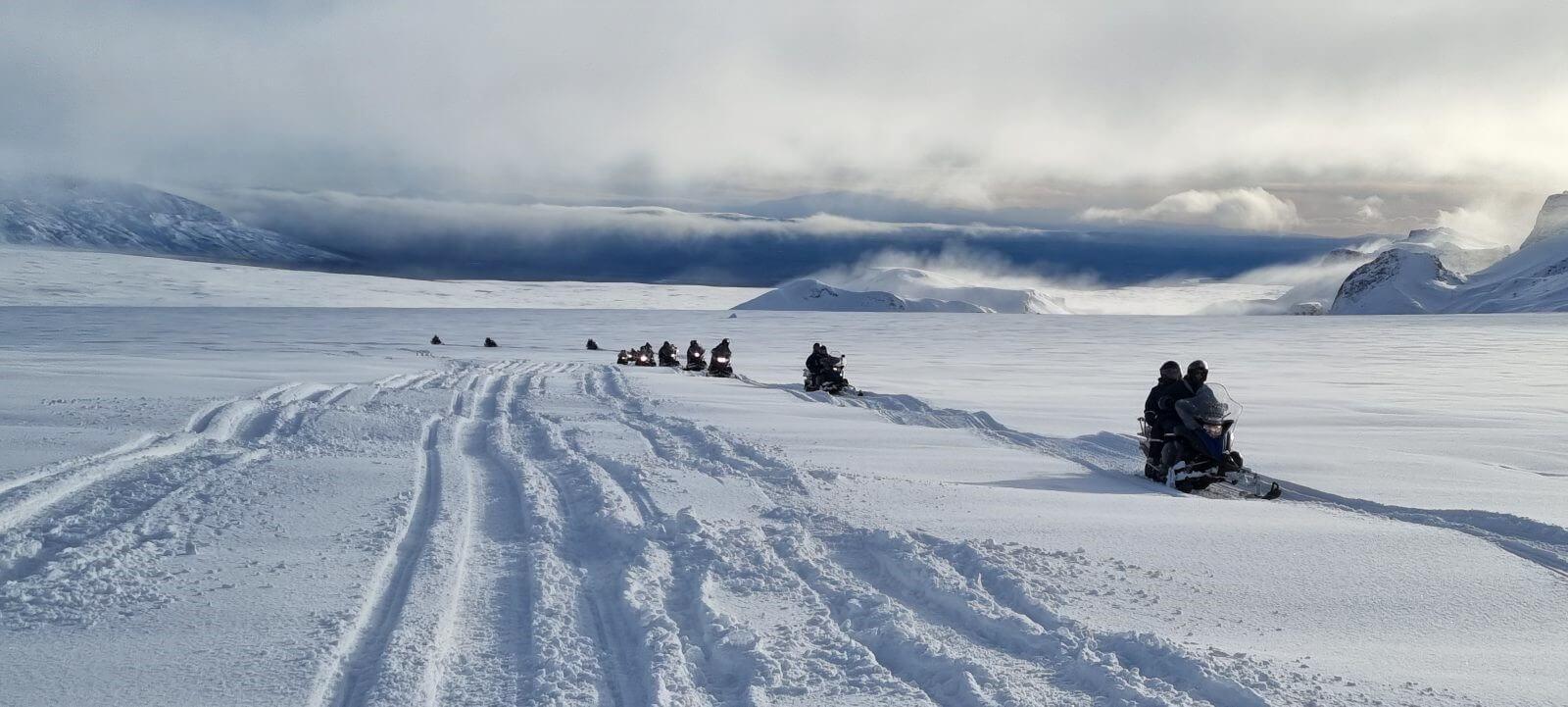
December
Weather: -1°C to 3°C.
Daylight: 4–5 hours.
Highlights: Christmas lights in Reykjavík, Northern Lights, New Year fireworks.
Travel tips: Magical month, but short days and icy roads.Recommended tour: Blue Lagoon Admission with Transfers
– The perfect way to warm up and relax during Iceland’s festive season.Why it’s best: Combining hot springs, auroras, and holiday spirit makes December unforgettable.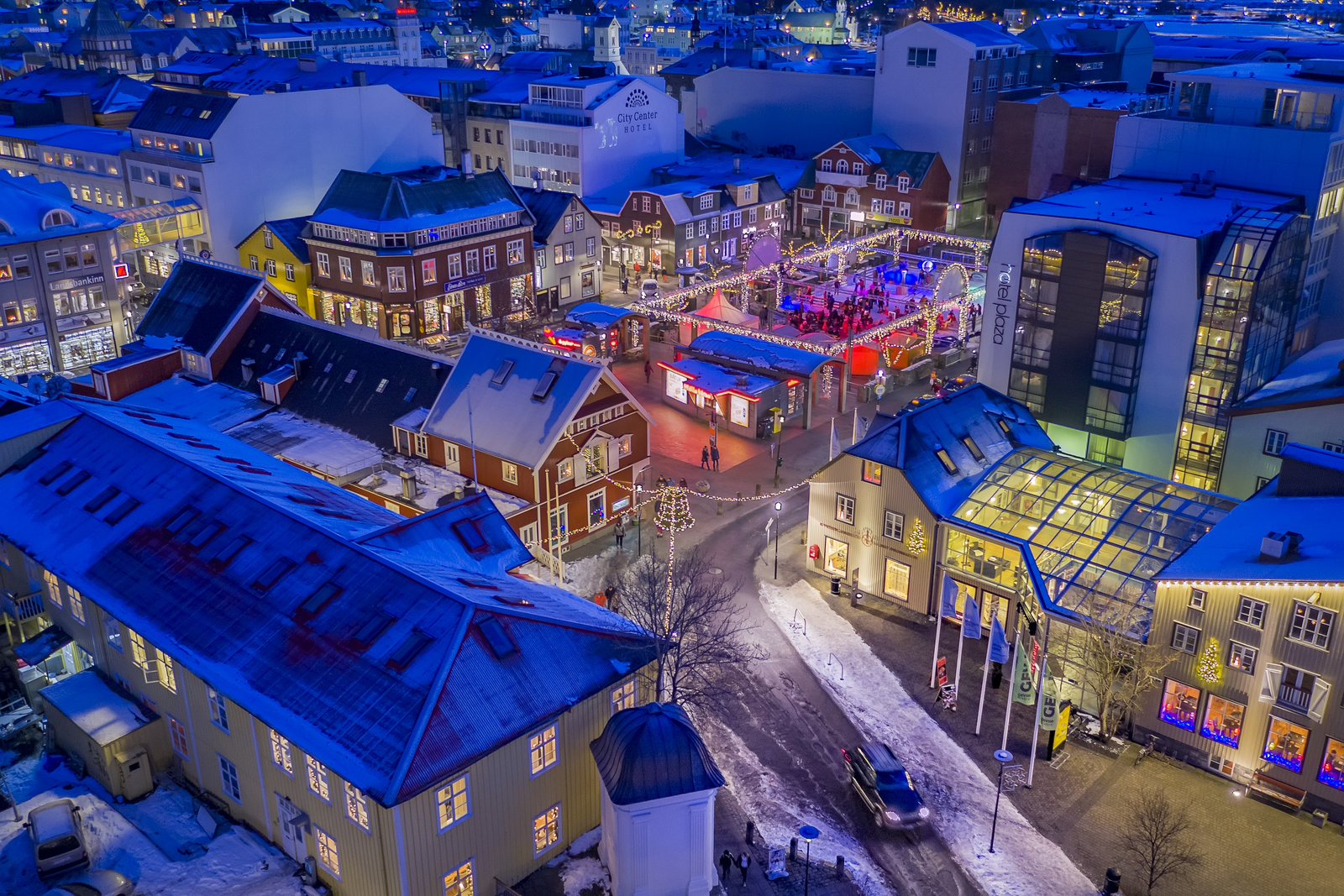
Daylight Hours in Iceland
Month Sunrise Sunset Daylight hours January 11:19 15:44 ~4.5 h February 09:55 17:29 ~7.5 h March 08:21 18:56 ~10.5 h April 06:44 20:20 ~13.5 h May 04:39 22:17 ~17.5 h June 03:03 23:56 21+ h July 03:27 23:31 20 h August 04:58 21:52 ~16 h September 06:29 20:08 ~13.5 h October 07:57 18:11 ~10 h November 09:24 16:40 ~7 h December 11:14 15:30 ~4 h Weather & Temperatures by Region
-
Reykjavík (Southwest): Milder winters, more rain.
-
North Iceland (Akureyri, Mývatn): Colder, more snow, clearer skies.
-
East Fjords: Less visited, drier climate.
-
Westfjords: Remote, heavy snow in winter, accessible mainly in summer.
-
Highlands: Only accessible June–August via 4×4.
Average temperatures (Reykjavík):
-
Winter: –1°C to +2°C
-
Summer: 10–15°C
Road Conditions in Iceland
-
Ring Road (Route 1): Open year-round, but can be icy, snowy, or windy in winter. Travel times may double.
-
F-roads (mountain roads): Open only from late June to early September. 4×4 required.
-
Driving tips:
-
Check our Driving in Iceland guide.
-
Use www.road.is for real-time road conditions.
-
Always allow extra time in winter.
-
Costs by Season
-
High season (June–August): Highest prices for hotels, car rentals, tours.
-
Shoulder seasons (May, September, October): Better prices, fewer crowds.
-
Winter (Nov–March): Lowest prices (except Christmas/New Year).
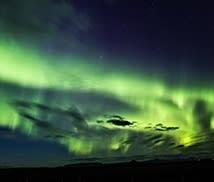
Northern Lights
-
Visible from late August to mid-April.
-
Best months: September, October, February, March.
-
Need clear, dark skies and solar activity.
-
Tours: Northern Lights bus, Super Jeep, or boat tours.
Wildlife by Season
-
Puffins: May to mid-August.
-
Whales: Year-round, but peak May–September.
-
Seals: Best spotted in North Iceland.
Packing Tips by Season
-
Winter: insulated jacket, thermal layers, crampons, waterproof boots.
-
Summer: layers, rain jacket, hiking shoes, sleep mask (for midnight sun).
-
Year-round: swimwear for hot springs, reusable water bottle.
FAQsIs May a good time to visit Iceland?
Yes – long days, mild weather, lower prices, and fewer tourists than summer.Can I see the Northern Lights in September?
Yes – September marks the start of aurora season, with good balance of weather and darkness.When do F-roads open?
Usually late June, depending on snowmelt, and close by mid-September.Is Iceland very cold in winter?
Not as cold as many expect – Reykjavík averages around 0°C, but wind makes it feel colder.What is the cheapest time to travel to Iceland?
November to March (excluding Christmas/New Year).-
Note: Some of the packages and tours offered are operated by ISLANDICA s.r.o. and others by our collaborating agencies. We act as an operator and as an intermediary agent between travel agencies and clients. If the trips are operated by our partner agencies, the reservation and payment are made directly with the provider in order to secure the best price for your trip to Iceland. ID109